
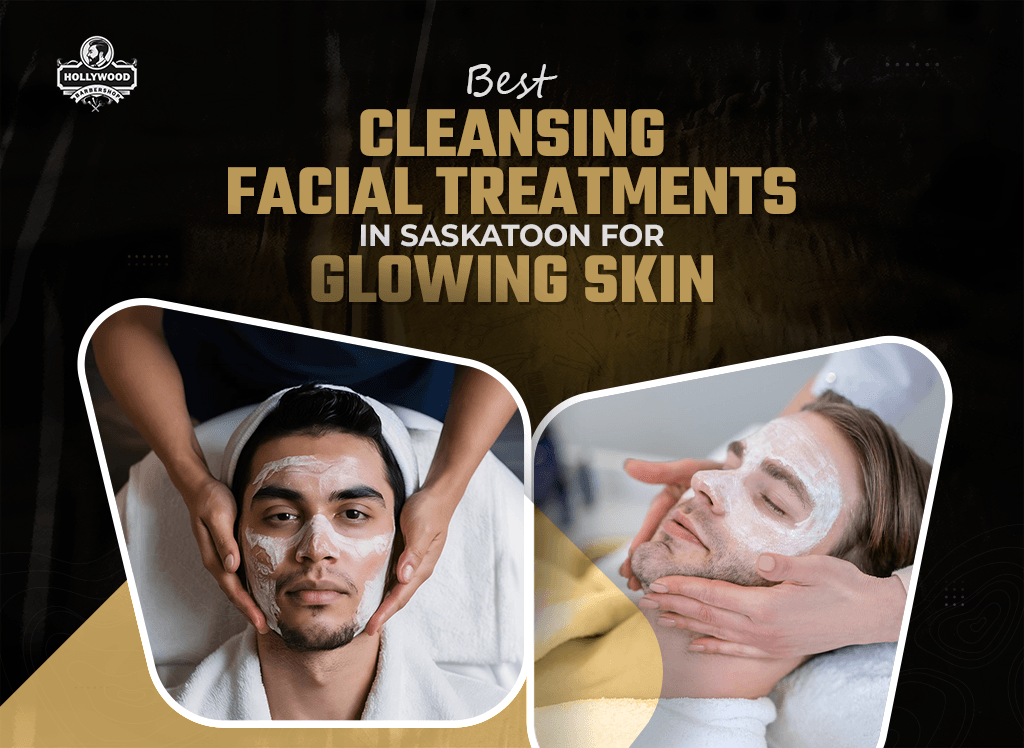
Daily skincare can only do so much. Over time, sun exposure, pollution, oil buildup, and dead skin cells can leave your complexion dull and congested. Professional cleansing facials provide a deeper level of care through cleansing, exfoliation, extractions, masks, and hydration that help refresh and restore the skin.
In Saskatoon, many residents are turning to professional facial treatments to improve skin texture, unclog pores, boost hydration, and maintain a healthy glow. From relaxing spa facials to advanced medical-grade treatments and men’s skincare services, the city offers options for every skin type and concern.
This guide explores the top cleansing facial treatments in Saskatoon and where to find the best services for clearer, smoother, and more radiant skin.
What Is a Cleansing Facial?
A cleansing facial is a professional multi-step skincare treatment that deeply cleans pores, removes dead skin cells, hydrates the skin, and improves overall complexion more effectively than regular at-home skincare routines.
Deep cleansing process explained
A professional deep cleansing facial removes dirt, excess oil, dead skin cells, and impurities trapped deep within the pores—areas regular cleansing often cannot reach. Using techniques like steaming, exfoliation, and extractions, the treatment helps unclog pores, reduce blackheads, prevent breakouts, and improve overall skin texture for a clearer, healthier complexion.
Common Steps Included
A standard deep cleansing facial typically follows a structured sequence:
- Skin analysis: The esthetician examines your skin under a specialized lamp or magnifying lamp to identify your skin type (dry, oily, combination) and specific concerns (acne, congestion, sensitivity) .
- Cleansing: The skin is gently cleansed to remove surface makeup, oil, and debris . Many spas use a double-cleanse method, starting with an oil-based cleanser to dissolve makeup followed by a water-based cleanser to purify the skin.
- Exfoliation: Dead skin cells are sloughed away using either a gentle scrub (mechanical exfoliation) or a chemical exfoliant (like fruit enzymes or alpha-hydroxy acids). This step smooths the skin’s texture and allows deeper penetration of subsequent products.
- Steam treatment: A gentle stream of steam is directed at the face to open the pores, soften impurities, and make the extraction process more effective and comfortable. Steam also boosts circulation, bringing oxygen and nutrients to the skin for a healthy glow.
- Extraction: The esthetician uses a specialized metal tool or gloved hands to remove blackheads, whiteheads, and other comedones (clogged pores). This is a key step in a deep cleansing facial and one that should never be done aggressively at home.
- Face mask: A mask formulated for your skin type is applied. It could be a purifying clay mask to absorb excess oil, a hydrating gel mask to soothe and moisturize, or a brightening mask to even out skin tone.
- Moisturizing: The treatment finishes with the application of a moisturizer appropriate for your skin type to hydrate, protect, and seal in all the benefits of the facial.
Difference between home skincare and professional facial treatments
Professional facials use clinical-strength products, specialized equipment, and trained techniques that go far beyond daily home skincare. Estheticians safely perform deep cleansing and extractions to unclog pores without damaging the skin. While home routines help maintain skin health day to day, professional facials provide intensive treatment that improves texture, hydration, and overall complexion more effectively and consistently.
Top Benefits of Cleansing Facials
A cleansing facial deeply cleans pores, reduces acne and blackheads, improves skin texture, boosts hydration, and supports anti-aging by promoting cell renewal and better circulation. Regular treatments help maintain clearer, smoother, and healthier-looking skin over time.
Removes Dirt, Oil, and Dead Skin Cells
Your skin is constantly exposed to environmental pollutants, dirt, and bacteria that settle into your pores. Your everyday cleanser can only do so much. A professional facial uses advanced techniques like double-cleansing, steam, and exfoliation to dislodge impurities that have become trapped deep within the skin. By effectively removing this buildup, your skin is left genuinely clean and better able to absorb the active ingredients in your serums and moisturizers.
Helps Reduce Acne and Clogged Pores
For those struggling with breakouts, a deep cleansing facial is one of the most effective non-prescription treatments available. The combination of steam to open pores and professional extractions to manually remove blackheads, whiteheads, and other comedones addresses the root cause of many acne issues. Regular facials keep your pores clear, reducing the frequency and severity of breakouts and preventing new clogged pores from forming . This is a key benefit for those with oily or acne-prone skin types.
Improves Skin Texture and Tone
Over time, a buildup of dead skin cells can leave your complexion looking dull, rough, and uneven. The exfoliation step in a cleansing facial smooths away this outer layer of dead cells, revealing the fresher, brighter skin underneath. Regular deep cleansing facials help to refine your skin’s texture, making it feel softer and look more even-toned. These treatments also work to fade residual dark spots or marks left behind from previous breakouts, leading to a more uniform appearance.
Boosts Hydration and Skin Glow
True radiance comes from healthy, well-hydrated skin. By thoroughly cleansing and exfoliating, your skin is prepped to absorb hydration more effectively. Professional facials always include the application of a targeted mask and moisturizer that infuses your skin with water-attracting ingredients. This burst of hydration plumps up the skin, reducing the appearance of fine lines and creating that desirable, dewy “glow” that is the hallmark of a healthy complexion.
Promotes Relaxation and Stress Relief
In our busy lives, stress often shows up first on our faces, leading to tension and breakouts. The gentle massage movements during a facial, combined with a calm, soothing environment, activate the parasympathetic nervous system, which lowers stress hormones and promotes deep relaxation. This is a significant “hidden” benefit that improves not just your skin but your overall well-being.
Supports Anti-Aging Skincare Routines
A deep cleansing facial is an essential component of an effective anti-aging strategy. By clearing away dead skin cells and congestion, your at-home anti-aging products—like retinols, vitamin C serums, and peptides—can penetrate more deeply and work more effectively. Regular exfoliation also stimulates natural collagen production, which helps to firm the skin and reduce the appearance of fine lines and wrinkles over time.
Signs You Need a Cleansing Facial
When skin looks dull, feels rough, has clogged pores, blackheads, frequent breakouts, or excess oil buildup, it may need a professional cleansing facial. These signs indicate your skin requires deeper care than daily skincare can provide.
Frequent Breakouts
If you find yourself dealing with new pimples every few days, or if your skin never seems completely clear, your pores are likely congested. Breakouts occur when pores become clogged with excess oil, dead skin cells, and bacteria. While spot treatments can address individual pimples, they do nothing to prevent new ones from forming. A professional deep cleansing facial removes the buildup causing the breakouts, helping to clear existing acne and prevent future flare-ups .
Dry or Dull-Looking Skin
When your skin lacks moisture, it loses its natural radiance. Dead skin cells accumulate on the surface, creating a rough, flaky texture that diffuses light rather than reflecting it. This results in a complexion that looks tired, flat, and lackluster rather than vibrant and glowing . If your skin feels tight, looks ashy, or appears grayish, these are strong indicators that your skin is dehydrated and in need of professional exfoliation and deep hydration.
Blackheads and Enlarged Pores
Blackheads are a specific type of clogged pore where the trapped oil and dead skin cells have oxidized, turning dark. They are most common on the nose, chin, and forehead. Enlarged pores often accompany blackheads, as stretched pores take on a more visible, dotted appearance across the skin’s surface . While certain products can help minimize the appearance of pores over time, professional extraction is the only effective way to completely remove existing blackheads. A cleansing facial includes the crucial extraction step that clears these pores entirely.
Uneven Skin Texture
Run your fingers across your cheek. Does the skin feel smooth, or do you notice bumps, rough patches, or a sandpaper-like texture? Uneven texture is often caused by a buildup of dead skin cells that your regular exfoliant cannot fully remove . It can also result from clogged pores beneath the surface that create a bumpy feel. This unevenness prevents light from reflecting evenly, which further contributes to a dull, lackluster appearance. Professional exfoliation smooths the skin’s surface and reveals the softer, more even layer underneath.
Makeup Not Sitting Smoothly on the Skin
You apply your foundation or tinted moisturizer, but instead of blending seamlessly, it cakes, settles into fine lines, clings to dry patches, or slides off oily areas. This is a classic sign that your skin’s texture is compromised. Professional facials address the underlying issues—dryness, congestion, or oiliness—so that your makeup applies beautifully and wears better throughout the day . A smooth, well-hydrated, and clear canvas is the secret to flawless makeup application.
Popular Types of Cleansing Facial Treatments in Saskatoon
Cleansing facials in Saskatoon come in various types tailored to different skin needs, including deep pore cleansing, hydrating facials, anti-acne treatments, and anti-aging facials. Each option targets specific concerns to improve overall skin health and appearance.
Deep Cleansing Facial
Ideal for oily and acne-prone skin
Ideal for oily and acne-prone skin, a deep cleansing facial targets excess oil, clogged pores, and stubborn blackheads. It uses steaming to open pores, exfoliation, and professional extractions to safely clear congestion. Purifying masks help calm inflammation and balance oil levels. Unlike at-home care, expert extractions reduce the risk of scarring. Regular treatments help control breakouts and keep skin clearer, fresher, and healthier.
What to expect: Your esthetician will analyze your skin, perform a thorough double cleanse, apply steam to soften impurities, complete extractions, apply a purifying mask, and finish with an oil-free moisturizer. The entire treatment typically takes 45-60 minutes.
Recommended frequency: Every 4-6 weeks for maintenance. Those with very oily or acne-prone skin may benefit from more frequent visits.
Hydrating Facial
Best for dry and sensitive skin
Best for dry and sensitive skin, a hydrating facial restores moisture, soothes irritation, and strengthens the skin’s natural barrier. It uses gentle, nourishing ingredients like hyaluronic acid, aloe vera, ceramides, and natural oils to deeply hydrate without irritation. Unlike deep cleansing facials, it avoids harsh exfoliation and extractions. The result is softer, calmer, plumper skin with reduced redness, tightness, and dryness.
What to expect: Gentle cleansing, mild exfoliation (often enzymatic rather than mechanical), hydrating mask, facial massage to boost circulation and product absorption, and rich moisturizer. Steam may be used sparingly or not at all, as heat can aggravate sensitive skin.
Recommended frequency: Every 4-6 weeks, or more often during harsh Saskatoon winters when indoor heating and cold outdoor temperatures can strip moisture from the skin.
Anti-Aging Facial
Helps reduce fine lines and wrinkles
Helps reduce fine lines and wrinkles, an anti-aging facial combines deep cleansing with active ingredients like retinol, vitamin C, peptides, and growth factors to boost collagen and improve skin texture. Treatments such as chemical peels, dermaplaning, and medical-grade exfoliation help remove dead skin cells, brighten the complexion, and allow products to penetrate more effectively, leaving skin smoother, firmer, and more youthful-looking.
What to expect: Deep cleansing, exfoliation (chemical, mechanical, or both), possible extraction, application of active serums, targeted mask, and moisturizer with SPF protection. Treatments often last 45-60 minutes.
Recommended frequency: At least once every season change as a maintenance treatment. A series of 5-6 sessions every two weeks can be considered to remove several layers of dead skin and improve complexion and texture .
Brightening Facial
Targets dull and uneven skin tone
Targets dull and uneven skin tone, a brightening facial helps reduce hyperpigmentation, sun damage, and post-acne marks. It uses ingredients like vitamin C, tranexamic acid, kojic acid, and azelaic acid to fade dark spots and even skin tone. Exfoliation removes dead skin cells to reveal a fresher, more radiant complexion. Combined with peels and serums, it restores glow and improves overall skin clarity and brightness.
What to expect: Gentle but thorough cleansing, exfoliation (chemical peel and/or scrub), extraction if needed, application of brightening serums, a mask formulated with lightening agents, and moisturizer with SPF (sun protection is critical after brightening treatments).
Recommended frequency: Every 4-6 weeks, depending on your skin’s sensitivity and tolerance to active ingredients.
Organic or Natural Facial
Uses gentle, chemical-free products
Uses gentle, chemical-free products, organic facials are ideal for sensitive skin and those who prefer natural skincare. They use plant-based, cruelty-free ingredients free from synthetic fragrances, parabens, and sulfates to minimize irritation. These treatments soothe the skin while still providing effective cleansing, hydration, and nourishment. In Saskatoon, spas like Polished Beautyspa offer organic facials that deliver calming, high-quality care for reactive and delicate skin types.
What to expect: The same basic steps as a standard facial—cleansing, exfoliation, steaming, extraction, mask, and moisturizing—but with products derived from natural sources. The experience is often combined with aromatherapy and relaxation techniques.
Recommended frequency: Every 4-6 weeks, or as needed.
How to Choose the Right Facial Treatment
To choose the right facial, identify your skin type, understand your concerns, research treatment options, consult a skincare professional, and consider your budget and goals. This helps ensure effective, safe, and satisfying results for your skin needs.
Understand Your Skin Type
Before you book any facial, you need a clear understanding of your skin type. Skin types generally fall into five categories:
- Oily skin produces excess sebum, leading to shine, enlarged pores, and frequent breakouts. This skin type benefits most from deep cleansing facials with purifying masks, salicylic acid, and professional extractions.
- Dry skin lacks oil and moisture, often feeling tight, flaky, or rough. Hydrating facials with hyaluronic acid, ceramides, and nourishing oils are ideal. Avoid harsh exfoliants or aggressive extractions.
- Combination skin features an oily T-zone (forehead, nose, chin) with normal or dry cheeks. This skin type benefits from balanced facials that address both concerns—purifying the T-zone while hydrating the cheeks.
- Sensitive skin reacts easily to products, temperature changes, or touch. Symptoms include redness, stinging, or burning. Look for gentle, fragrance-free, organic facials with soothing ingredients like aloe and chamomile. Always request a patch test before any new product is applied to your full face.
- Normal skin is well-balanced, neither too oily nor too dry. Most facial types are suitable, depending on your specific goals (brightening, anti-aging, maintenance).
If you are unsure of your skin type, pay attention to how your skin feels one hour after cleansing. Does it feel tight (dry), look shiny (oily), or feel comfortable (normal)? Observing your skin’s behavior helps you make an informed choice.
Ask for a Professional Skin Consultation
The best spas and clinics in Saskatoon offer complimentary skin consultations before your first facial. During this consultation, an esthetician will:
- Examine your skin under a magnifying lamp to assess texture, pore size, congestion, and hydration levels
- Ask about your current skincare routine, product usage, and any medications that affect your skin
- Discuss your concerns (acne, aging, dullness, sensitivity) and goals (glow, clarity, smoothness)
- Recommend specific facial treatments and products tailored to your needs
Do not book with any establishment that skips this consultation step. A thorough consultation is the hallmark of a professional, client-focused business. It also protects you from receiving a treatment that could irritate or worsen your skin.
Check Product Quality and Hygiene Standards
The products used during your facial directly impact your results and safety. Ask potential spas:
- What skincare lines do you carry? Reputable brands include SkinCeuticals, Dermalogica, Eminence, Image Skincare, and PCA Skin.
- Are products medical-grade or professional-strength? These have higher concentrations of active ingredients than over-the-counter products.
- How do you sanitize tools between clients? Extraction tools, brushes, and linens must be properly sterilized or disposable.
- Do you use single-use products or bulk containers? Bulk containers risk cross-contamination.
Also check hygiene standards in the treatment room itself. Clean linens, organized workspaces, and visible sanitation protocols indicate a professional establishment. A dirty or cluttered treatment room is a red flag.
Read Reviews and Before/After Results
Online reviews provide insight into real client experiences. Look for:
- Before and after photos on the spa’s website or social media. Results should be visible and realistic. Be cautious of heavily filtered or obviously edited images.
- Multiple reviews mentioning specific estheticians by name. This indicates consistency and skill.
- Recent reviews (within 3-6 months) that describe the specific facial you are considering.
- Honest feedback about long-term results, not just how relaxed clients felt during the treatment.
Also check review platforms like Google, Yelp, and Facebook. Looking for patterns—consistent praise for cleanliness, professionalism, and results is a good sign. Repeated complaints about breakouts, irritation, or pressure to buy products are red flags.
Choose Licensed Skincare Professionals
In Saskatchewan, estheticians should hold provincial licensing or certification. Before booking, verify that:
- The esthetician has completed formal training from a recognized institution
- The spa or clinic carries liability insurance
- Staff participate in ongoing education to stay current with new techniques and products
Do not hesitate to ask: “What are your esthetician’s qualifications? How many years of experience do they have with this specific facial?” A professional establishment will answer proudly. A vague or defensive response is a warning sign.
For medical-grade treatments (chemical peels, microdermabrasion, laser treatments), ensure that a licensed medical professional (doctor or nurse) supervises or performs the service.
What to Expect During Your Facial Appointment
A facial appointment typically includes a consultation to assess skin, cleansing and skin analysis, treatment steps like exfoliation and extractions, followed by a mask, hydration, relaxation, and personalized aftercare advice to maintain results and protect the skin.
Consultation Process (First 5-10 minutes)
Your appointment begins with a thorough consultation, even if you have already discussed your skin over the phone or online. The esthetician will:
- Review your intake form (medical conditions, allergies, medications, current skincare routine)
- Examine your skin under a magnifying lamp or using a skin analysis device to assess texture, pore size, congestion, hydration levels, and any concerns you mentioned
- Ask specific questions: “Do you feel tightness after cleansing? Do you break out around your menstrual cycle? Have you used any new products recently? Are you currently using retinol or prescription medications?”
- Explain the recommended treatment tailored to your skin’s needs, including which products will be used and why
- Answer any questions you have about the procedure, products, or expected results
This is your opportunity to mention any anxieties (e.g., discomfort with extractions, sensitive to fragrances) and to learn about the esthetician’s approach. A good consultation leaves you feeling informed and comfortable, not rushed or dismissed.
Treatment Duration (45-90 minutes)
The actual facial typically lasts between 45 and 90 minutes, depending on the type of treatment and any add-ons you select. Here is what a standard deep cleansing facial looks like minute by minute:
- Cleansing (5-10 minutes): The esthetician removes your makeup (if any) and thoroughly cleanses your skin using gentle, professional-grade products. A double cleanse method is common—oil-based cleanser first to dissolve makeup and sunscreen, followed by a water-based cleanser to purify the skin.
- Skin analysis and exfoliation (5-10 minutes): After cleansing, the esthetician may reassess your skin (now free of makeup and surface oils). Exfoliation follows, using either a gentle scrub (mechanical), fruit enzymes or alpha-hydroxy acids (chemical), or a combination. This step smooths texture and prepares your skin for extractions and deeper product penetration.
- Steam treatment (5-10 minutes): A gentle stream of warm steam is directed at your face to open pores, soften impurities, and make extractions more effective and comfortable. Steam also boosts circulation, giving your skin a healthy, oxygenated glow.
- Extraction (10-20 minutes): The esthetician uses a specialized metal tool or gloved hands to remove blackheads, whiteheads, and other clogged pores (comedones). This is the most intensive part of a deep cleansing facial and the step you cannot safely perform at home. You may feel slight pressure or pinching sensations, but significant pain is not normal—speak up if something hurts.
- Facial massage (5-10 minutes): Many facials include a gentle massage of the face, neck, and shoulders using a moisturizing cream or oil. This step relieves tension, boosts circulation, and promotes lymphatic drainage.
- Mask application (10-15 minutes): A mask tailored to your skin type and concerns is applied. You relax while the mask works—purifying clay for oily skin, hydrating gel for dry skin, brightening enzymes for dull skin. The room lights may be dimmed, and soft music may play.
- Toning, serums, and moisturizing (5-10 minutes): The mask is removed with warm towels or sponges. The esthetician applies toner to balance pH, then serums targeted to your concerns (e.g., hyaluronic acid for hydration, vitamin C for brightening), and finishes with a moisturizer suitable for your skin type.
- Sun protection (final step): Many facials conclude with a physical or mineral SPF application, especially if exfoliation or chemical peels were involved. Your skin is more sensitive to UV after treatment, so sun protection is essential.
Relaxation Experience
A professional facial is as much about relaxation as it is about skin health. Expect:
- Soothing environment: Dim lighting, soft instrumental music, comfortable facial bed with warm blankets
- Aromatherapy: Many spas use calming essential oils like lavender, chamomile, or eucalyptus in the treatment room
- Hand, arm, or scalp massage: Some facials include gentle massage of non-facial areas to enhance relaxation
- Zero pressure to talk: Estheticians typically follow your lead. If you close your eyes and stay quiet, they will focus on the treatment, not conversation. If you prefer to chat, they will engage.
If you have any discomfort—too much pressure during extraction, product that stings, or a mask that feels hot—speak up immediately. A professional esthetician will adjust their technique or remove the product promptly.
Aftercare Recommendations (Last 5-10 minutes)
Your esthetician will provide specific aftercare instructions to protect your results and prevent adverse reactions:
- Avoid touching your face for several hours after extractions to prevent bacteria transfer
- Skip makeup for 12-24 hours to allow your skin to breathe and heal
- Avoid active ingredients (retinol, vitamin C, exfoliating acids) for 24-48 hours
- Use gentle cleanser and moisturizer as directed
- Apply SPF 30 or higher daily, especially after exfoliating treatments
- Postpone other treatments like chemical peels, laser, or waxing for at least one week
- Drink extra water to support your skin’s healing and hydration from within
You will likely receive a written aftercare card or email summarizing these instructions. Follow them carefully to maximize results and avoid post-facial breakouts or irritation. Some minor redness or sensitivity is normal, especially after extractions, and typically subsides within a few hours to one day.
Post-Facial Skincare Tips
After a facial, avoid touching your skin, skip makeup for 24–48 hours, use gentle cleanser and moisturizer, stay hydrated, and protect your skin with sunscreen. Proper aftercare helps maintain results and prevents irritation or breakouts.
Stay Hydrated
Hydration starts from within. After a facial, your skin has been thoroughly cleansed, exfoliated, and possibly extracted. This process temporarily increases your skin’s permeability and can lead to moisture loss if not replenished.
- Internal hydration: Drink at least 8-10 glasses of water in the 48 hours following your facial. Proper hydration supports your skin’s natural healing processes, helps flush out toxins released during extractions, and maintains cell function for faster recovery. Avoid dehydrating beverages like alcohol and excessive caffeine for the first 24 hours.
- External hydration: Use the gentle, hydrating products recommended by your esthetician. Hyaluronic acid serums are excellent post-facial because they attract and hold water in the skin. Apply moisturizer while your skin is still slightly damp to lock in maximum hydration.
Avoid Heavy Makeup for 24 Hours
Your skin needs to breathe after a facial. Makeup—especially foundation, concealer, and powder—can clog pores that have just been thoroughly cleansed and extracted.
- Why it matters: Immediately after extractions, your pores are open and vulnerable. Heavy makeup can trap bacteria, leading to post-facial breakouts that can be mistaken for “purging.” The pigments and chemicals in makeup can also irritate freshly exfoliated skin.
- What to do instead: Go makeup-free for at least 12-24 hours. If you must wear something, use a lightweight, non-comedogenic (won’t clog pores) tinted moisturizer or mineral powder. Skip heavy liquid foundations, cream contour, and thick concealers.
- Exception: If you have an event immediately after your facial, schedule your appointment accordingly. Many clients book facials on Friday afternoons so they can enjoy makeup-free weekends at home.
Use Sunscreen Daily
Sun protection is the most critical post-facial step, especially if your treatment includes exfoliation, chemical peels, or extractions. Freshly exfoliated skin is significantly more sensitive to UV damage.
- Why it matters: Exfoliation removes the outer layer of dead skin cells, revealing newer, healthier skin underneath. This new skin has less natural UV protection. Sun exposure within a week of a facial can lead to hyperpigmentation (dark spots), increased redness, and even sunburn on sensitive areas.
- What to use: Broad-spectrum SPF 30 or higher, preferably a mineral sunscreen containing zinc oxide or titanium dioxide. Mineral sunscreens sit on top of the skin rather than absorbing in, making them less irritating for post-facial skin. Apply every morning, even on cloudy days or if you are staying indoors (UV rays penetrate windows).
Follow a Gentle Skincare Routine
The 48 hours following your facial are not the time to experiment with new products or aggressive treatments.
What to avoid for 48 hours:
- Retinol and prescription retinoids
- Vitamin C serums (can sting on freshly exfoliated skin)
- Exfoliating acids (AHAs, BHAs, glycolic, salicylic, lactic)
- Physical scrubs or exfoliating brushes
- Strong astringents or alcohol-based toners
- At-home extraction tools or pore strips
- Hot water (use lukewarm for cleansing)
What to use:
- Gentle, non-foaming cleanser
- Hydrating toner (alcohol-free)
- Hyaluronic acid serum
- Gentle moisturizer (fragrance-free, non-comedogenic)
- Sunscreen (morning only)
Ask your esthetician for specific product recommendations. They know which ingredients your skin was exposed to during the facial and can guide you toward compatible home care products.
Listen to your skin: If a product stings or burns, rinse it off immediately and revert to an even gentler routine. Some mild tingling is normal after certain treatments; sharp or prolonged burning is not.
Schedule Regular Facials for Long-Term Results
A single facial provides immediate benefits—brighter skin, clearer pores, deep relaxation. But the most significant, lasting improvements come from regular, consistent treatments.
Recommended frequency:
- Oily or acne-prone skin: Every 4 weeks
- Dry or sensitive skin: Every 5-6 weeks
- Combination or normal skin: Every 5-6 weeks
- Anti-aging focus: Every 4-5 weeks
- Maintenance only: Every 6-8 weeks
Why consistency matters: Your skin’s cell turnover cycle is approximately 28 days. Scheduling facials every 4-5 weeks aligns with this natural rhythm. Regular treatments allow your esthetician to address issues before they become problematic, clear congestion before it leads to breakouts, build cumulative results from active ingredients, and adjust your home care routine as your skin improves.
Why Professional Facial Treatments Are Worth It
Professional facials are worth it because they use expert techniques, stronger products, and advanced tools to deeply cleanse and treat skin concerns. They deliver faster, more visible results, improve long-term skin health, and provide customized care that home routines cannot match.
Customized Skincare Approach
Your skin is unique. Your at-home routine treats it generally. A professional facial treats it specifically.
- Skin analysis: Before any product touches your face, a trained esthetician examines your skin under a magnifying lamp or digital skin analyzer. They assess oiliness, hydration levels, pore size, congestion, fine lines, pigmentation, and underlying conditions you may not see in your bathroom mirror.
- Real-time adjustments: During the facial, the esthetician continuously evaluates how your skin responds. If a mask feels too drying, they switch to a hydrating alternative. If extraction reveals deeper congestion than expected, they adjust their technique. This real-time customization is impossible with home treatments.
- Layered approach: Professional facials use multiple products in a strategic sequence—cleansers, exfoliants, serums, masks, moisturizers—each chosen for your specific skin condition that day. Your at-home routine cannot replicate this layered, customized approach.
Advanced Skincare Tools and Products
Professional facial treatments use equipment and formulations that are not available for home use.
- Professional-grade products: Medical-grade and clinical-strength skincare contains higher concentrations of active ingredients (retinol, vitamin C, AHAs, BHAs, peptides) than over-the-counter products. These ingredients are more effective because they are formulated with better delivery systems that penetrate deeper into the skin.
- Steamers: Professional facial steamers produce a consistent, gentle stream of warm vapor that opens pores without burning or drying the skin. Home steamers cannot match this precision.
- Magnifying lamps: Estheticians use bright, magnified lighting to see every pore, blackhead, and fine line. You cannot see your skin at this level of detail at home.
- Extraction tools: Professional comedone extractors are designed to remove blackheads and whiteheads without damaging surrounding skin. At-home extraction attempts often lead to broken capillaries, scarring, or infection.
- Ultrasonic devices: Many spas now use ultrasonic spatulas or other advanced technology to deep-cleanse and exfoliate more effectively than manual methods.
Better Results Compared to DIY Treatments
The results speak for themselves. Professional facials consistently outperform at-home attempts at deep cleansing.
- Deeper cleansing: Home cleansing removes surface dirt and makeup. Professional facials remove congestion deep within pores, including blackheads, whiteheads, and sebaceous filaments.
- More thorough exfoliation: At-home scrubs remove some dead skin cells. Professional exfoliation—whether mechanical, chemical, or ultrasonic—removes multiple layers, revealing fresher, brighter skin instantly.
- Painless (or less painful) extractions: Estheticians are trained to extract congested pores efficiently and gently. The result is clear pores without the redness, swelling, or scarring that often follows at-home extraction attempts.
- Visible immediate results: After a professional facial, the difference is visible. Skin looks brighter, feels smoother, and appears more even-toned. This immediate gratification is rare with any at-home treatment.
- Cumulative improvement: Regular professional facials produce progressive, cumulative results. Each treatment builds on the last, addressing deeper layers of skin concerns over time.
Long-Term Skin Health Benefits
Consistent professional facials are an investment in your skin’s future health, not just a one-time luxury.
- Prevention: Regular deep cleansing prevents congestion before it leads to breakouts. Professional extractions stop blackheads from stretching pores permanently. Anti-aging facials stimulate collagen production, preventing fine lines from becoming deep wrinkles.
- Education: Your esthetician teaches you about your skin type, ingredient knowledge, product selection, techniques for home care, lifestyle factors affecting your skin. This education empowers you to make better skincare decisions between appointments.
- Accountability: Having a scheduled facial every 4-6 weeks motivates you to maintain your home routine. You are less likely to skip your nightly cleanse or forget your sunscreen when you know your esthetician will evaluate your progress.
- Stress reduction: The relaxation benefits of facials are not just “pampering.” Chronic stress elevates cortisol, which can trigger breakouts, accelerate aging, and worsen skin conditions like eczema and rosacea. Regular facials provide a dedicated time to decompress, lowering stress hormones and benefiting both your skin and overall health.
- Cost-effectiveness over time: Consider the cost of constantly buying new products that do not work, treating breakouts caused by improper home extractions, or using more makeup to cover dull skin. A 100−200 facial every 4-6 weeks often costs less than trial-and-error product spending and less than correcting damage from DIY attempts.
Best Time to Get a Cleansing Facial
A facial appointment typically starts with a consultation, followed by cleansing, exfoliation, extractions, mask application, and moisturizing. The session ends with aftercare advice tailored to your skin type to ensure the best results and proper healing.
Before Special Events
Planning a facial around a wedding, vacation, reunion, photoshoot, or other important occasion requires careful timing.
The golden rule: Schedule your facial 5-7 days before your event.
Here is why this timing works best:
Days 1-2 (immediately after facial): Your skin may show some redness, especially if extractions were performed. Pores are open and vulnerable. Some minor breakouts may appear as deep congestion comes to the surface. This is normal but not ideal for event-ready skin.
Days 3-4: Redness has subsided. Any post-facial breakouts are resolved. Your skin is beginning to show the benefits—smoother texture, brighter tone, reduced congestion. Makeup applies better than usual.
Days 5-7 (sweet spot): Your skin is fully healed and at its peak. Pores are refined. The texture is smooth. Glow is evident. Makeup applies flawlessly and wears beautifully. This is your event-ready window.
What to avoid: Do not schedule a facial for the first time within 48 hours of your event. You do not know how your skin will react. Do not try new, intensive treatments (chemical peels, microdermabrasion) for the first time before a big event. Stick to gentle deep cleansing facials you have had before.
Event-specific timing:
- Wedding: Schedule your final facial 5-7 days before the wedding. Consider a series of 3-4 facials in the months leading up to the wedding for cumulative benefits.
- Vacation: Get a facial 5-7 days before departure. Your skin will look great in photos and will be well-prepared to handle sun, saltwater, or dry airplane air.
- Photoshoot: Schedule 5-7 days ahead for optimal texture and glow. Professional makeup applies best on well-prepped skin.
- Reunion or party: Same 5-7 day window. You want to look refreshed, not recovering.
Seasonal Skincare Maintenance
Saskatchewan’s extreme seasons affect your skin significantly. Adjusting your facial schedule to address seasonal changes keeps your complexion balanced year-round.
Spring (March-May): After a harsh winter, skin is often dehydrated, dull, and showing signs of dryness. Winter indoor heating strips moisture. Cold winds cause irritation. Spring is the ideal time for hydrating facials to replenish lost moisture, brightening facials to revive dull winter skin, and gentle exfoliation to remove dead skin buildup.
Recommended timing: Schedule a facial in early spring (March) to transition your skin.
Summer (June-August): Heat and humidity increase oil production and sweating, leading to clogged pores and breakouts. Sun exposure causes hyperpigmentation and accelerates aging. Summer calls for deep cleansing facials to control oil and prevent congestion, brightening facials to address sunspots, and extractions to clear sweat-related breakouts.
Recommended timing: Schedule a facial in early summer (June) and again in late summer (August).
Fall (September-November): Skin recovers from summer sun damage while preparing for winter dryness. Fall is the perfect time for anti-aging facials to address cumulative sun damage, hydrating facials to build moisture before winter, and brightening facials to fade summer hyperpigmentation.
Recommended timing: Schedule a facial in early fall (September) to transition from summer to winter.
Winter (December-February): Indoor heating strips moisture. Cold winds chap and irritate. Low humidity dehydrates. Winter requires hydrating facials with rich, nourishing products, gentle, non-stripping cleansers, and barrier-repairing ingredients like ceramides and niacinamide. Avoid aggressive extractions or harsh peels when skin is already stressed.
Recommended timing: Schedule a facial in early winter (December) and again in late winter (February) to combat dryness before spring.
Transitional facials: The most important facials of the year are the transitional ones—early spring (winter to spring) and early fall (summer to winter). These treatments address the most significant seasonal shifts that stress your skin.
Monthly Skincare Routine Recommendations
Consistency is key to long-term skin health. While one facial provides immediate benefits, regular monthly facials deliver cumulative, lasting improvements.
Recommended frequency by skin type:
| Skin Type | Recommended Frequency | Why |
| Oily / Acne-prone | Every 4 weeks (monthly) | Oil production cycles monthly; consistent extraction prevents congestion buildup |
| Combination | Every 5 weeks | Balances oily T-zone and normal/dry cheeks |
| Dry / Dehydrated | Every 5-6 weeks | Less frequent treatments allow skin’s moisture barrier to recover |
| Sensitive | Every 6-8 weeks | Longer intervals prevent over-processing delicate skin |
| Anti-aging focus | Every 4-5 weeks | Aligns with natural cell turnover cycle (approx 28 days) |
| Maintenance only | Every 6-8 weeks | Keeps skin healthy without over-treatment |
Frequently Asked Questions
How often should I get a cleansing facial?
It depends on your skin type. Oily or acne-prone skin benefits from facials every 4 weeks. Combination skin does well every 5 weeks. Dry or sensitive skin needs longer intervals—every 5-6 weeks. For anti-aging focus, aim for every 4-5 weeks. For maintenance only, every 6-8 weeks works well.
Your esthetician may recommend a different schedule based on your individual needs.
Are cleansing facials good for acne?
Yes, professional deep cleansing facials are excellent for mild to moderate acne. Steam opens pores for effective extraction. Professional extractions safely remove blackheads and whiteheads that cause breakouts. Purifying masks absorb excess oil and calm inflammation.
Can sensitive skin get facial treatments?
Absolutely. Sensitive skin can benefit greatly, but caution is key. Look for spas specializing in organic or natural facials using gentle, fragrance-free products. Avoid harsh chemical peels, aggressive extractions, and strong fragrances.
Before your appointment, request a patch test. Tell your esthetician about all sensitivities and allergic reactions. Consider a shorter, gentler facial for your first visit to see how your skin responds.
How long do facial results last?
Immediate results—glow, smoothness, reduced congestion—typically last 5-7 days. However, cumulative benefits improve with consistent treatments.
Regular facials (every 4-6 weeks) lead to long-term improvements: fewer breakouts, diminished dark spots, better skin texture, stronger moisture barrier, and slowed signs of aging. A single facial provides a temporary boost; regular treatments produce lasting transformation.
Is there any downtime after a cleansing facial?
For standard deep cleansing facials, there is typically no downtime. You may experience mild redness (especially after extractions), slight sensitivity, or minor breakouts as congestion comes to the surface. These effects usually resolve within hours to one day.
For more intensive treatments (chemical peels, microdermabrasion), redness may last 24-48 hours and some peeling may occur.
Conclusion
Your skin faces daily stress from sun exposure, pollution, oil buildup, and dead skin cells. While home skincare is important, it cannot replace the deep cleansing and targeted care of professional facials. Regular treatments help clear pores, reduce breakouts, improve texture, boost hydration, and support a natural, healthy glow over time.
Professional facials also offer advanced tools, stronger active ingredients, and expert guidance tailored to your skin’s needs. Whether you want acne control, anti-aging benefits, or brighter skin, consistent treatments deliver long-term results that at-home care alone cannot achieve.
Saskatoon has many skilled skincare clinics and spas ready to help. Booking a cleansing facial is a simple step toward clearer, smoother, and more radiant skin.