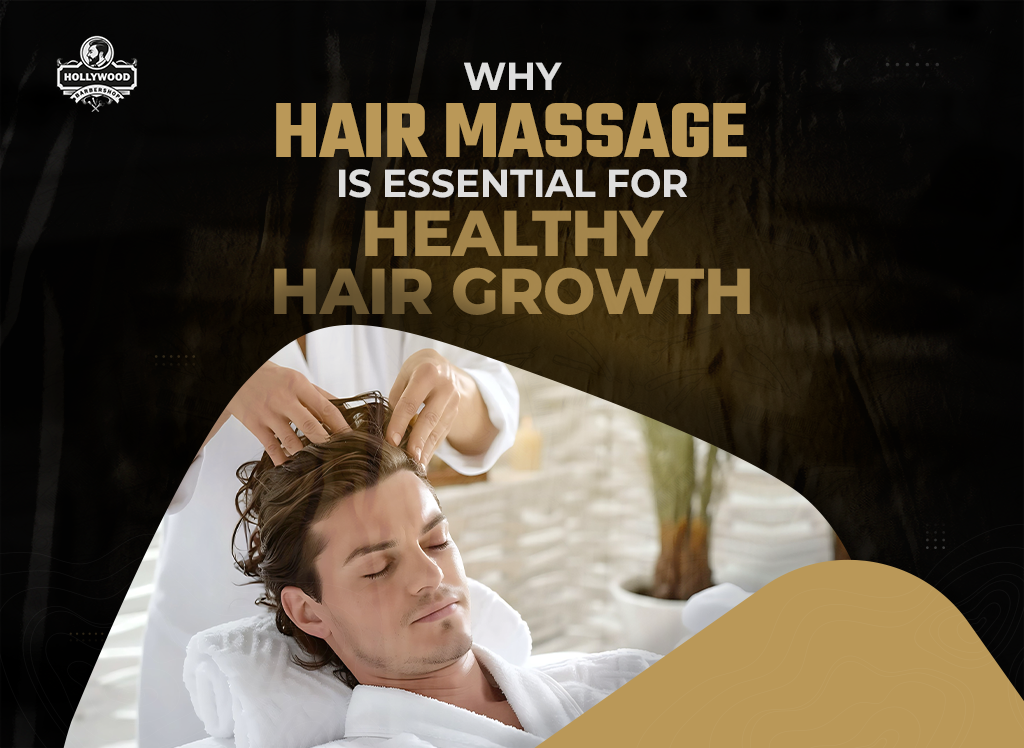
Hair massage for hair growth does more than feel good. It helps your scalp stay healthy. A healthy scalp means stronger hair. It also helps hair grow faster.
How does hair massage for hair growth work? You use gentle pressure. You make small circles on your scalp. This boosts blood flow. More blood brings more oxygen to hair follicles. It brings more nutrients too. Your hair needs these things to grow well.
Scalp massage is not new. Old practices like Indian champi used it for years. Now hair massage for hair growth is popular again. People know it helps reduce stress. It improves scalp condition. It makes hair stronger. Many salons offer it. You can also do it at home.
This blog will show you why hair massage for hair growth works. You will learn easy techniques. You will find out how often to do it. Let us explore the benefits together.
What Does a Hair Massage Mean?
A hair massage is simple. You use your fingers or a tool. You rub your scalp gently. This boosts blood flow. It also releases tight spots. And it spreads your hair’s natural oils. You can add oil or keep it dry. Both ways help your hair roots.
Scalp vs. Hair Massage
Scalp massage is different. It targets the skin on your head. Not the hair strands. Your scalp has many blood vessels. These vessels feed your hair roots. They bring oxygen and food. Your scalp also has oil glands. They make sebum. Sebum is a natural conditioner. Massage opens up blood flow. It loosens tight tissue. It also wakes up tiny muscles near each root.
Main Types of Scalp Massage
Oil massage: This old method uses natural oils. Try coconut, jojoba, or almond oil. Oil cuts down friction. It helps your fingers glide. Your scalp gets more moisture. This type is big in Ayurveda. It is also common in South Asian champi.
Dry scalp massage: You use no oil at all. It is just touch and pressure. Dry massage leaves no greasy feel. You can do it anywhere. Use your fingertips. Or grab a silicone tool. Electric massagers work too.
Professional spa treatments: Many salons offer this. They use oils and hot towels. Some add steam or bamboo sticks. A pro session lasts 30 to 60 minutes. You may get a hair wash too. Or a deep conditioning mask.
How It Helps Your Hair Roots
The rubbing motion does real work. It opens your blood vessels. More blood reaches your roots. That brings more oxygen and food. This can push hair from resting phase to growth phase. Massage also lowers scalp tension. It helps cells around roots work better. Your hair may get thicker. It also spreads sebum well. That stops dryness and keeps hair soft.
Benefits of Hair Massage for Hair Growth
A good scalp rub does a lot. It gets blood moving. It lowers stress. It makes roots stronger. It wakes up lazy follicles. It keeps your scalp clean. All of this helps hair grow faster and look better.
Better Blood Flow
More food for your hair roots: Your hair roots work hard. They need oxygen all the time. They need vitamins and minerals too. Blood brings these things. Scalp massage opens up blood vessels. It can increase blood flow by over two times. More blood means more food for each root. That makes hair thicker and healthier.
Stronger anchors for hair: Each hair sits inside a root. Tight hairstyles or stress can cut off blood supply. Then roots get less food. Hair gets weak. More falls out. Regular massage keeps blood moving. Your roots stay fed. Hair stays put longer.
Less Stress and Tightness
Stress makes hair fall out: Too much stress raises cortisol. This hormone pushes roots into rest mode too early. Hair starts shedding two to three months later. Stress also tightens scalp and neck muscles. Tight muscles block blood flow to your roots.
Massage helps you relax: Scalp rubbing turns on your rest system. It lowers cortisol. It slows your heart. Gentle touch releases feel-good chemicals in your brain. A relaxed scalp gets better blood flow. Less stress means less hair loss.
Stronger Hair Roots
Less breaking and shedding. Strong roots hold hair tight. You cannot change your genes. But you can help your roots stay strong. Massage brings more food to each root. It also lowers swelling. Less swelling means roots stay attached better.
Hair looks thicker. The hair itself may not get wider. But your scalp gets healthier. Less shedding means more hairs stay on your head. Healthier roots make hair that does not break easy. So each hair stays around longer.
Wake Up Sleepy Follicles
Help your natural hair cycle: Hair grows in stages. Grow stage. Rest stage. Shed stage. Scalp rubbing may boost growth signals. It can push resting roots back into grow mode. Studies show regular massage makes hair thicker over time.
Get dormant roots working again: Some roots rest too long. They go to sleep. Gentle rubbing may wake them up. Massage alone cannot fix genetic baldness. But it helps other treatments work better. Good blood flow always helps.
Keep Your Scalp Healthy
Less dry skin and gunk: Massage loosens dead flakes. It breaks up hair product leftovers. Extra oil does not get stuck. Using oil while rubbing adds moisture too. A clean scalp has less dandruff. Less itch is good for your roots.
Oil levels stay balanced: Your scalp makes natural oil called sebum. Massage spreads this oil down each hair strand. Oil does not pile up in one spot. Too much oil traps germs. Too little oil makes flakes. Massage keeps things just right.
Best Oils for Hair Massage
Picking the right oil matters. Good choices are coconut, argan, castor, rosemary, and almond oil. Each one does something different. Some add moisture. Some help growth. Some calm an itchy scalp. Pick based on your hair needs.
Coconut Oil
This one is very popular. Scientists have studied it a lot. Coconut oil has lauric acid. That acid goes deep into each hair strand. It stops protein from leaving your hair. Less protein loss means stronger hair. It breaks less often. Coconut oil also kills germs. It stops fungus and bacteria on your scalp. This oil is great for dry hair. It helps damaged hair too. Chemically treated hair also likes it.
Argan Oil
People call it liquid gold. Argan oil has vitamin E. It has antioxidants. It has healthy fatty acids. This oil is not greasy. It soaks in fast. That makes it good for thin hair. Heavy oils can weigh thin hair down. Argan oil adds moisture. It cuts down frizz. It adds shine. It also lowers swelling. So it calms an angry scalp.
Castor Oil
Castor oil is very thick. It has ricinoleic acid. That acid fights germs and swelling. People have used it for hair growth for a long time. Science does not have a lot of proof yet. But many people say it works. Castor oil may bring more blood to your scalp. That feeds your hair roots. Because it is so thick, mix it with a lighter oil. Coconut or almond oil works well for mixing.
Rosemary Oil
This is one of the few oils with real science behind it. A 2015 study showed good results. Rosemary oil worked as well as a common hair growth drug. It took six months. And rosemary oil caused less scalp itching. This oil boosts blood flow to your scalp. It also lowers swelling. Never put it on straight. Always mix it with a carrier oil. Try coconut, jojoba, or almond oil. Pure essential oil can burn your skin.
Almond Oil
Almond oil has vitamin E. It has magnesium. It has fatty acids. This oil is lightweight. It soaks in fast. All hair types can use it. Almond oil adds moisture to your scalp. It stops dry flakes. It makes hair shiny. It also smooths down the outer layer of each hair strand. Smooth hair has less friction. Less friction means less breaking.
Choosing the Right Oil Based on Hair Type
- Dry or damaged hair: Coconut oil (deep penetration, protein loss prevention) or argan oil (moisturising, non‑greasy).
- Fine or thin hair: Argan oil or almond oil (lightweight, will not weigh hair down).
- Oily scalp: Jojoba oil (similar to scalp’s natural sebum, helps regulate oil production) or grapeseed oil (light, non‑comedogenic). Avoid heavy oils like castor oil.
- Hair thinning or slow growth: Rosemary oil (diluted in a carrier oil) or castor oil (mixed with a lighter oil).
- Frizzy or chemically treated hair: Coconut oil (reduces protein loss) or argan oil (tames frizz).
- Itchy or flaky scalp: Tea tree oil (diluted, antifungal, antimicrobial) or coconut oil (antimicrobial).
How to Put Oil On the Right Way
Warm the oil a little. Do not make it hot. Part your hair into sections. Use your fingertips to put oil on your scalp. Rub in small circles for five to ten minutes. Leave the oil on for 30 minutes. Or leave it on all night. Wash it out with shampoo in the morning.
How to Properly Massage Your Scalp
A good scalp massage is easy to learn. Use your fingertips. Make soft circles. Warm oil helps but is not required. Press gently so you do not hurt your skin. Cover your whole head evenly. Leave oil in for a while. Then wash with a mild shampoo. Do this often to see results.
Step‑by‑Step Guide
Step 1: Choose the right oil. Choose based on your hair needs. Look at the oil guide above. For basic care, try coconut, almond, or argan oil. For more growth, add rosemary oil to a carrier oil. Stay away from heavy oils if your hair is fine. Skip any oil that bothers your scalp.
Step 2: Warm the oil slightly. Cold oil feels bad. It also does not spread well. Put the oil bottle in warm water for a few minutes. Or pour a bit in your palm. Rub your hands together to warm it up. Do not make it hot. Hot oil can burn you. It should feel warm but not painful.
Step 3: Use fingertips gently. Never use your nails. Nails scratch your scalp. They cause tiny cuts. Those cuts can get sore or infected. Your fingertips give enough pressure. They will not hurt your skin. If you have long nails, be extra careful.
Step 4: Massage in circular motions. Section your hair to expose the scalp. Start at the front hairline and work your way back. Use small, firm circular motions with your fingertips. Apply enough pressure to feel the movement of the scalp beneath your fingers, but not so much that it hurts. Spend extra time on areas where you feel tension (often the temples, crown, and base of the skull). Continue for 5‑10 minutes.
Step 5: Leave oil for proper absorption. After massaging, leave the oil on your scalp for at least 30 minutes to allow it to penetrate. For deeper conditioning, leave it on overnight. Cover your hair with a shower cap or old towel to protect your pillowcase. Do not leave oil on for more than 12 hours, as it can attract dirt and clog follicles.
Step 6: Wash with mild shampoo. Use a sulfate-free kind. You may need to shampoo twice. Once may not get all the oil out. Then use conditioner. Put it on your middle and ends only. Skip your scalp if it gets oily fast.
Recommended Massage Duration and Frequency
Duration: 5‑10 minutes per session is sufficient. Longer is not necessarily better; excessive massaging can irritate the scalp. Focus on quality of movement, not quantity of time.
Frequency:
- For general maintenance: 2‑3 times per week.
- For hair thinning or slow growth: 3‑4 times per week.
- For dry or itchy scalp: 3‑4 times per week with a moisturising oil (coconut, argan, almond).
- For oily scalp: 1‑2 times per week with a light oil (jojoba, grapeseed). Do not over‑massage, as stimulating oil glands can increase sebum production.
Consistency matters. Occasional massage is better than none, but regular, consistent sessions produce the best results. Incorporate scalp massage into your weekly routine, just like you schedule hair washing or deep conditioning.
Professional Hair Massage vs DIY Massage
Doing it yourself at home is easy and cheap. It works great for regular care. Going to a salon gives you deeper relaxation. Pros use special moves and products. Both ways are good. Use them together for the best results.
At‑Home Hair Massage
Saves money and time: DIY massage costs nothing. You only pay for oil if you use it. You can do it anytime. No appointment needed. You stay in your own home. No driving. No waiting. No tip to leave. This works well if you have little money or free time.
Good for regular care: Doing it often is what matters. Doing it yourself two to four times a week is easy. Booking salon visits that often is hard. DIY lets you target spots that feel tight. You see where hair is thin. You pick the pressure you like. You choose how long to rub. You pick your own oil.
What you miss: Home massage may not be as complete. Most people never learn advanced moves. Things like pressure points or lymph drainage take training. You might miss hard-to-reach spots. The crown and back of your head are tricky. Without good instruction, you may press too hard or too soft. That lowers results or causes irritation.
Professional Salon Treatments
Deep relax and advanced care. A pro knows scalp anatomy. They learn where pressure points live. The whole experience helps you unwind. Hot towels feel great. Steam opens your pores. Nice smells fill the air. Soft music plays. Pros spot tight areas you never notice. They see dry patches and buildup too.
Better products and special moves. Salons use high-grade oils and serums. You cannot buy these for home. They have stronger active ingredients. Things like peptides and growth factors. Their delivery systems work better too. Special moves may include:
-
Lymph drainage: This reduces scalp puffiness. It helps remove toxins.
-
Acupressure: This hits certain points. Those points help hair grow and lower stress.
-
Scalp scrubbing: This removes dead skin and leftover product.
-
Hot oil treatments: Heat helps oil sink in deeper.
-
LED light therapy: Some medical spas offer this. Light wakes up hair roots.
Better for damaged or stressed hair
If you are dealing with significant hair thinning, scalp inflammation, or stress‑related shedding, a professional treatment can provide more intensive therapy. The combination of advanced techniques, premium products, and extended treatment time (often 30‑60 minutes) can produce faster, more noticeable results than DIY massage alone.
Cost and time considerations
Professional scalp treatments are more expensive (typically $30‑100 per session) and require scheduling appointments. For regular maintenance, weekly or bi‑weekly visits may be impractical for many people. However, even a monthly professional treatment can complement your at‑home routine.
Common Mistakes to Avoid
Stay away from hard pressure. Do not use your nails. Do not pour too much oil. Skip bad products. And never skip your routine. These blunders ruin the benefits. They can irritate your scalp. They can even hurt your hair instead of helping it.
Using Too Much Pressure
Rubbing too hard can hurt your hair. It may damage hair follicles. It can break hair shafts. It can also irritate your scalp. You should feel your scalp move under your fingers. But you should not feel pain. If you see redness or soreness, you are pressing too hard. If you notice more hair falling out, that is also a sign. Use the pads of your fingers. Do not use your palms or knuckles. Gentle pressure is enough. It helps blood flow just fine.
Overusing Oil
More oil is not better. Too much oil can clog hair follicles. It can trap dirt and bacteria. It can also make your hair look greasy after washing. And it wastes product. Start with a small amount. Use 1–2 teaspoons for short hair. Use 2–3 tablespoons for long hair. Add more only if needed. Focus oil on your scalp. Do not put much oil on the lengths of your hair. The only exception is very dry ends. Heavy oils like castor oil should be mixed with lighter oils. This helps them spread better.
Scratching the Scalp with Nails
Your nails can scratch your scalp. This causes tiny cuts. Those cuts can get infected. They can also leave scars. Nails can pull out hair that is resting. That increases shedding. Always use the pads of your fingers. Do not use your nails. If you have long nails, be extra careful. You can also use a silicone scalp massager. It helps you avoid nail contact.
Using Unsuitable Products
The wrong product can hurt your hair. Heavy oils like castor or olive oil can weigh down fine hair. They can also cause buildup. Essential oils like rosemary, peppermint, or tea tree must be mixed with a carrier oil. If you use them alone, they can burn your scalp. They can also cause skin irritation. Products with alcohol, artificial fragrances, or sulfates are bad. They strip natural oils. They irritate your scalp. Choose oils for your hair type. Always dilute essential oils. Test new products on a small skin area first. Then apply to your whole scalp.
Inconsistent Hair Care Routine
Massage once in a while is better than none. But consistency works best. Studies show that daily or every‑other‑day massage helps. You need to keep it up for several months. Massage once a week or less will not do much. It won’t improve blood flow as well. It won’t reduce stress as well. It won’t stimulate follicles as well. Set a schedule. Do 5–10 minutes, 2–4 times per week. Set reminders on your phone. Or combine massage with another habit. For example, do it while watching TV. Or do it after your shower.
Who Should Get Regular Hair Massages?
Hair massage is great for many people. It helps those with a dry scalp. It helps those with hair thinning. It helps people with high stress. It also helps anyone who wants natural hair care. Regular massage improves scalp health. It reduces tension. It supports stronger, healthier hair massage for hair growth for most people.
People with Dry Scalp
A dry scalp can itch and flake. That is dandruff. It can also feel irritated. Without enough moisture, the skin may crack. Cracks let bacteria or fungi get in. Regular massage with moisturising oils helps. Try coconut, argan, or almond oil. Massage hydrates the scalp. It loosens dead skin cells. It also spreads natural sebum. Better blood flow helps your oil glands work right. If you have chronic dandruff or seborrheic dermatitis, see a doctor first. Ask before starting a massage routine.
Individuals Experiencing Hair Thinning
Hair thinning has many causes. It can come from genetics. That is androgenetic alopecia. It can come from stress-related shedding. That is telogen effluvium. It can also come from low nutrients or hormone changes. Massage alone cannot reverse genetic balding. But it helps. It improves blood flow to the follicles. It brings more oxygen and nutrients. It also reduces swelling and irritation. For stress-related shedding, the calm feeling from massage helps a lot. Many people use massage along with medical treatments. These include minoxidil, finasteride, or PRP. Always talk to your doctor first. Do not stop prescribed treatments.
People with Stressful Lifestyles
Long-term stress raises cortisol. High cortisol can push hair follicles into the resting phase. That phase is called telogen. Shedding happens 2–3 months after the stressful event. Stress also tightens scalp muscles. That reduces blood flow. Scalp massage activates the parasympathetic nervous system. That is your “rest and digest” mode. It lowers cortisol. It lowers your heart rate. The gentle, rhythmic motion feels calming. Do you have a high-stress life? A demanding job? Caregiving duties? Money worries? Regular scalp massage can help you manage stress.
Anyone Wanting Healthier Hair Naturally
You do not need a hair problem to benefit from massage. Preventative care is easier than corrective care. Regular massage improves scalp health. It strengthens hair roots. It supports a healthy growth cycle. Massage is natural. It is free if you do it yourself. And it has no side effects when done right. Adding scalp massage to your weekly routine is simple. It is also one of the most effective things you can do for long-term hair health.
Additional Tips for Healthy Hair massage for Hair Growth
Combine hair massage with a balanced diet, proper hydration, good sleep, gentle hair care, minimal heat styling, and regular trims. These habits support stronger, healthier, and faster hair growth alongside scalp massage.
Healthy Diet and Hydration
Your hair follicles require a steady supply of nutrients to produce strong, healthy hair shafts. Deficiencies in iron, zinc, biotin, vitamin D, B vitamins, and protein are linked to hair thinning and shedding.
- Protein: Hair is made of keratin, a protein. Eat adequate protein from eggs, poultry, fish, beans, lentils, nuts, and seeds.
- Iron: Iron deficiency is a common cause of hair loss, especially in women. Sources include red meat, spinach, lentils, and fortified cereals.
- Zinc: Supports hair follicle function. Found in oysters, beef, pumpkin seeds, and chickpeas.
- Biotin and B vitamins: Found in eggs, nuts, whole grains, and bananas.
- Vitamin D: Low vitamin D is associated with alopecia. Get sunlight exposure or take a supplement (after consulting your doctor).
- Hydration: Dehydration affects every cell in your body, including hair follicles. Drink at least 8 glasses of water daily. Herbal teas and water‑rich fruits (watermelon, cucumber) also count.
A balanced diet is more effective than supplements unless you have a diagnosed deficiency. Consult a doctor before starting any supplement regimen.
Proper Sleep
Sleep is when your body repairs tissues, balances hormones, and reduces stress. Chronic sleep deprivation elevates cortisol, which can push hair follicles into the telogen (resting) phase. Aim for 7‑9 hours of quality sleep per night. Establish a regular sleep schedule (same bedtime and wake time). Create a relaxing bedtime routine (no screens for 30‑60 minutes before bed). A silk or satin pillowcase reduces friction, preventing hair breakage and tangling while you sleep.
Gentle Hair Care Routine
How you wash, brush, and style your hair affects its health and growth.
- Shampoo: Use a sulfate‑free, gentle shampoo. Over‑washing strips natural oils; under‑washing allows buildup. Wash 2‑3 times per week, or more often if you have an oily scalp.
- Conditioner: Apply conditioner to the mid‑lengths and ends, not the scalp (unless you have very dry scalp). Leave it on for 2‑3 minutes before rinsing.
- Detangling: Use a wide‑tooth comb or a brush with flexible bristles (boar bristle, Tangle Teezer). Start at the end and work your way up. Never brush vigorously when hair is wet (hair is weakest when wet).
- Towels: Pat or squeeze wet hair with a microfiber towel or an old cotton t‑shirt. Do not rub vigorously, as this causes friction and breakage.
- Hairstyles: Avoid tight ponytails, braids, buns, or cornrows that pull on the hair follicles (traction alopecia). Use soft hair ties (no metal clasps). Vary your hairstyle to avoid constant tension on the same areas.
Avoid Excessive Heat Styling
Heat from blow‑dryers, flat irons, and curling wands evaporates moisture from the hair shaft, making it brittle and prone to breakage. Over time, heat styling can damage the cuticle, leading to split ends and dullness.
- Air dry whenever possible.
- Use a heat protectant spray before any heat styling. Apply to damp hair before blow‑drying or to dry hair before using a flat iron.
- Lower the temperature. Many flat irons have variable settings; use the lowest temperature that achieves your desired result (typically 300‑350°F for fine hair, 350‑400°F for thick or coarse hair).
- Limit heat styling to 2‑3 times per week.
Regular Trims
Split ends travel up the hair shaft, causing breakage and making hair look thin and unhealthy. Regular trims remove split ends before they worsen. How often:
- Fine hair: Every 6‑8 weeks (fine hair splits faster).
- Medium hair: Every 8‑10 weeks.
- Coarse or curly hair: Every 10‑12 weeks (curly hair hides split ends; they may be longer before they are visible).
Trims do not make hair grow faster, but they preserve length by preventing breakage. A micro‑trim (1/4‑1/2 inch) is sufficient to remove split ends without sacrificing significant length.
Conclusion
Healthy hair starts with a healthy scalp. But many people forget that. They focus only on shampoos, conditioners, and styling products. They ignore the real foundation of hair growth. Scalp massage changes that. It is simple. It is affordable. And it works. It helps improve blood flow. It lowers stress. And over time, it supports stronger, healthier hair.
Hair massage for hair growth Being consistent matters most. Short, regular massages are best. Do them for 5–10 minutes, several times a week. That works far better than long sessions once in a while. Results take time. They are gradual. But if you keep going, you will see changes. Your hair may get thicker. It may feel stronger. Your scalp will be healthier too.
Doing it yourself is great. You get many benefits. But professional treatments can help too. They offer deeper relaxation. They also target specific issues. For example, hair thinning or stress-related shedding. Whether you do it at home or in a salon, make scalp massage a habit. It is a powerful step toward better hair health.
Ready to Give Your Scalp the Care It Deserves?
You have learned how hair massage for hair growth works. Now it is time to try it for yourself.
You can do it at home. That is great for daily care. But a professional scalp massage takes it further. Our trained therapists use the right pressure. We use the best oils for your hair type. We target your specific needs—whether you have a dry scalp, hair thinning, or just high stress. Book your scalp massage today.