
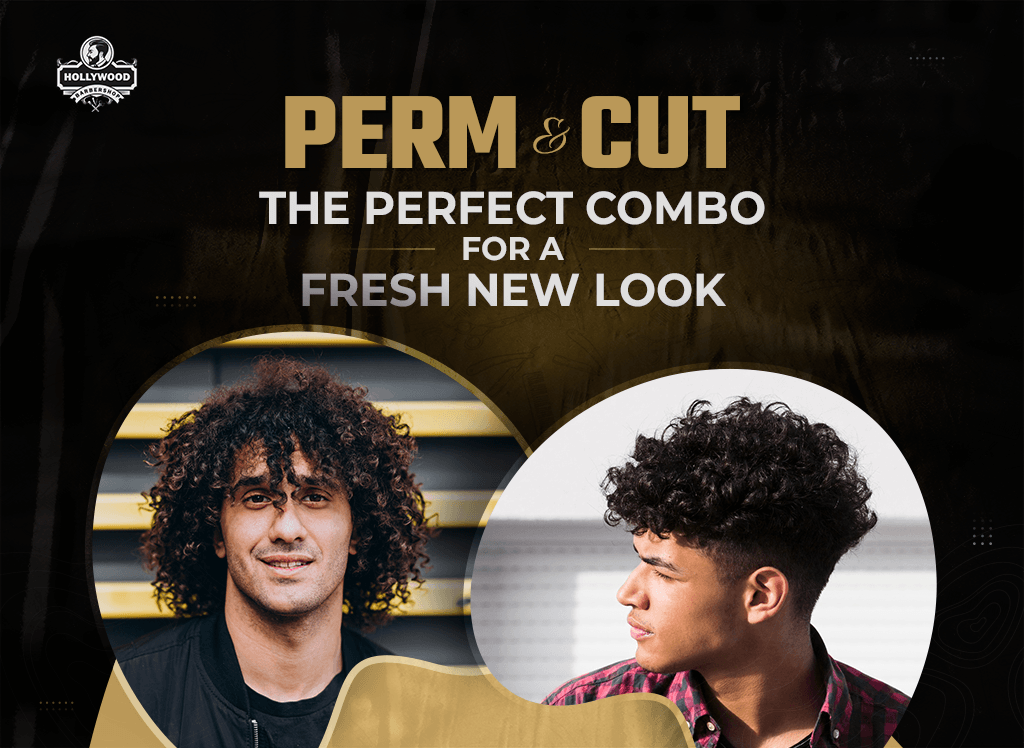
A new hairstyle can completely transform your appearance and confidence. While a perm adds curls, waves, texture, and volume, a professional haircut shapes and balances the overall look. Together, they create a polished style that feels natural, flattering, and easy to maintain.
This guide explores why combining a perm with the right haircut delivers the ultimate hair transformation. You will learn how to choose styles for your face shape, what to expect during the process, and how to maintain healthy, Perm & cut, beautiful curls and movement long after your salon visit.
What Is a Perm?
A perm is a chemical treatment that reshapes the hair’s structure to create curls, waves, texture, or volume. Modern perms offer natural-looking results, from soft beach waves to defined curls, and typically last for months while gradually growing out naturally.
Simple explanation of perming. A perm uses a two‑step chemical process. First, a waving lotion (usually containing ammonium thioglycolate) is applied to break the disulphide bonds in your hair, making it soft and malleable. Your hair is then wrapped around rods of different sizes. The size of the rod determines the tightness of the curl—smaller rods create tighter curls; larger rods create looser waves. A neutralizer is then applied to reform the bonds in their new shape, locking the curl pattern in place. The entire process takes approximately 1.5 to 3 hours, depending on your hair length and thickness.
How it adds curls, waves, or texture. The perm breaks the natural straight pattern of your hair and reforms it around the rod shape. If you start with straight hair, you will get defined curls or waves. If you start with wavy or slightly curly hair, a perm can enhance your natural texture, add more definition, or create uniform curls. Perms are also excellent for adding volume and body to fine or limp hair, even without visible curl. Many clients ask for a “body wave” or “texture wave” that gives fullness and movement without tight ringlets.
Different types of perms. Modern perms offer a range of options:
- Loose waves (beach waves): Large rods create soft, natural‑looking waves that mimic the texture of salt‑sprayed beach hair. Ideal for a relaxed, effortless style.
- Tight curls (spiral perm): Smaller rods create defined, springy ringlets. This style adds significant volume and is popular for those wanting dramatic, curly hair.
- Body wave (volume wave): Very large rods create gentle bends in the hair, adding fullness and lift without tight curl. Perfect for fine or flat hair that needs body.
- Root perm (volumizing perm): Only the roots are permed, lifting them away from the scalp for added height and bounce. The ends remain straight.
- Spot perm (partial perm): Perm applied only to specific sections, such as the crown or bangs, to target problem areas without committing to a full head of curls.
Why Combine Perm & Cut?
Combining a perm with a professional haircut creates balance, shape, and natural movement. The cut controls bulk, defines the curls or waves, and prevents a heavy or uneven appearance. Together, they deliver a polished, healthier-looking style that is easier to maintain daily.
Balanced Shape and Style
A perm chemically alters the internal structure of your hair, but it does not remove weight or create shape. After perming, your hair may feel heavier or appear bulkier, especially if you have thick or long hair. A professional cut removes excess weight, layers the hair, and creates a silhouette that flatters your face shape. The cut also ensures that curls or waves fall in the right places—framing your face, adding volume where needed, and tapering smoothly at the ends. Without a cut, you risk a triangular or boxy shape that lacks definition.
Better Volume Control
Volume is one of the main reasons people get perms, but too much of a good thing can be overwhelming. A well‑executed cut controls volume by removing bulk from dense areas, texturizing heavy sections, and creating internal layers that allow curls to move freely. Your stylist can thin out areas prone to excess volume (often the sides or crown) while preserving fullness where you want it (the top or ends). The result is balanced, bouncy volume, not a shapeless puffball.
Healthier and More Natural‑Looking Finish
Perming can be drying to the hair because the chemical process opens the cuticle. Ends that are already damaged or split become more noticeable after perming. A cut removes these damaged ends, leaving your hair looking healthier and shinier. Additionally, a cut blends the permed sections with your natural texture, creating a seamless transition between permed and unpermed hair as it grows out. This prevents a harsh line of demarcation and keeps your style looking natural and fresh.
Easier Daily Maintenance
A perm that is not properly shaped can be difficult to style. Sections may fall flat or stick out at odd angles. You may fight with tangles or spend extra time coaxing curls into place. A professional cut ensures that each section of hair has the right length and layering to support the curl pattern. This means your hair will air‑dry more predictably, hold its shape longer, and require less daily fussing. You will spend less time styling and more time enjoying your new look.
Popular Perm & Cut Styles
Popular perm and cut combinations include short textured perms with fades, soft waves with layered cuts, long perms with face-framing layers, modern Korean-style perms, and messy perms with taper cuts. Each style offers different levels of volume, texture, and movement to suit various face shapes and lifestyles.
Short Textured Perm with Fade
Ideal for men and women with short hair who want added volume, texture, and a modern edge. The perm adds lift and definition to the top section, creating a tousled, lived‑in texture. The fade on the sides and back keeps the look clean and sharp. This style works well for fine or flat hair that needs body, or for anyone wanting a low‑maintenance, wash‑and‑go look. Best for round, oval, or square face shapes. Styling is simple: towel‑dry, add a small amount of texturizing paste or sea salt spray, and scrunch.
Soft Waves with Layered Cut
Perfect for those who want natural‑looking, beachy waves without tight curls. Large rods create loose, soft waves that add movement and volume. A layered cut removes bulk and allows the waves to fall freely. This style flatters most face shapes and works on medium to long hair. It is ideal for straight hair that needs texture or wavy hair that needs definition. Air‑dry for effortless waves, or use a diffuser for more volume.
Long Perm with Face‑Framing Layers
Designed for long hair that lacks volume or curl. The perm adds body and wave from mid‑lengths to ends, while the roots remain straighter for a natural grow‑out. Face‑framing layers soften the front sections, highlighting your cheekbones and jawline. This style is romantic, feminine, and low‑maintenance—air‑dry for effortless waves or blow‑dry for more volume. Best for oval, heart, or long face shapes.
Modern Korean‑Style Perms
Korean perms (also called setting perms or digital perms) use larger rods and lower heat to create soft, natural, almost curl‑free bends. The result is volume and texture that looks like you used a curling iron—not like a traditional perm. These perms are popular for fine or straight Asian hair types. The cut is often a mid‑length layered style with a slight A‑line or rounded shape. The overall effect is sleek, modern, and very low maintenance. Styling requires only a light smoothing product and a quick blow‑dry.
Men’s Messy Perm with Taper Cut
Men’s perms have made a strong comeback. A messy perm adds texture, volume, and a relaxed, tousled look to the top section. The taper cut keeps the sides and back clean and short, creating contrast. This style works well for men with straight, fine, or thinning hair. It adds body and makes styling easy—just towel‑dry and go. Best for oval, square, or diamond face shapes. Use a matte clay or texture powder to enhance the messy, lived‑in finish.
Who Should Get a Perm & Cut?
A perm and cut combination works best for people with straight or flat hair who want more volume, texture, or movement. It is also ideal for busy individuals seeking a stylish, lower-maintenance look that reduces daily heat styling and adds natural body to the hair.
Straight or Flat Hair Types
If your hair is naturally straight, fine, or limp, a perm can add body and texture that lasts for months. Straight hair often lacks volume, especially at the roots, and falls flat within hours of styling. A perm creates bends and waves that lift the hair away from the scalp, creating the illusion of thickness and fullness. Even a loose body wave (using very large rods) can dramatically improve the look of fine, straight hair without creating tight curls. The cut removes excess weight and ensures the waves fall in a flattering shape. Ideal for those who have tried volumizing products and heat styling but want a longer‑lasting solution.
People Wanting Volume or Movement
Some hair types have natural waves or curls but lack definition or evenness. A perm can enhance your natural texture, making curls more uniform and bouncy. It can also add volume to the crown or sides where hair tends to fall flat. If you find yourself constantly using curling irons, rollers, or texturizing sprays to achieve movement, a perm may be the answer. The cut complements the perm by removing bulk and shaping the hair to work with your new texture. The result is hair that looks effortlessly styled every day, without the daily heat damage.
Busy Lifestyle Users Needing Low‑Maintenance Hair
Perfect for busy lifestyles, a perm offers long-lasting, low-maintenance style. Most permed looks are wash-and-go, requiring minimal effort to stay polished. You’ll save time, reduce heat damage, and enjoy defined curls that hold their shape through work, travel, workouts, and daily activities.
Who should avoid perms? If your hair is severely damaged from bleaching, over‑processing, or excessive heat styling, a perm may cause further breakage. Always consult a professional stylist for a strand test. Pregnant or nursing women should consult their doctor before perming, as the chemicals may be absorbed through the scalp.
Before You Get a Perm & Cut
Before getting a perm and cut, ensure your hair is healthy enough for chemical processing. Schedule a consultation with your stylist to discuss hair condition, desired results, curl strength, and the most suitable cut. Proper planning helps achieve healthier, longer-lasting results.
Hair Condition Check (Damaged vs Healthy Hair)
A perm is a chemical treatment that breaks and reforms the disulphide bonds in your hair. If your hair is already damaged, over‑processed, or extremely fragile, a perm can cause breakage, dryness, and uneven results. Before perming, your stylist will assess your hair’s condition:
- Healthy hair: Perms take well and hold curl. Results are predictable and long‑lasting.
- Slightly damaged hair (heat or color treated): A perm may still be possible with a gentle formula, but your stylist may recommend waiting and deep conditioning first.
- Severely damaged hair (bleached, over‑processed, or brittle): Perming is not recommended. The chemicals will cause further breakage.
What you can do: If your hair is damaged, postpone perming. Deep condition weekly for 4‑6 weeks. Trim off split ends. Avoid additional chemical services (color, bleach, relaxers) for at least two weeks before perming. Inform your stylist about any previous chemical treatments.
Consultation with Stylist
A thorough consultation prevents disappointment. Before your appointment, discuss the following with your stylist:
- Desired outcome: Bring photos of perms you like. Be specific about curl size (tight curls, loose waves, or body waves).
- Hair history: Mention any recent color, bleach, relaxer, or keratin treatments. These can affect how your hair reacts to the perm solution.
- Lifestyle: How much time are you willing to spend styling? Do you air‑dry or blow‑dry? Do you use heat tools often?
- Health conditions: Pregnancy, nursing, or scalp conditions may affect whether perming is advisable.
A good stylist will manage your expectations. They will tell you if your hair is too damaged or if the look you want is unrealistic. They will also recommend a strand test if your hair is compromised.
Choosing the Right Curl Strength and Cut Style
Not all curls are the same. The size of the perm rod determines the tightness of the curl. The cut shape determines how the curls fall.
Curl strength options:
- Loose waves (large rods): Soft, beachy texture. Best for long hair or those wanting a natural look.
- Medium curls (medium rods): Classic perm look. Defined, springy curls. Good for adding volume.
- Tight curls (small rods): Very curly, high‑volume style. Best for short to medium hair or those wanting dramatic curls.
- Root perm (only roots): Adds lift at the scalp without curling the ends.
Cut style considerations:
- Layered cuts: Remove bulk and allow curls to move freely. Essential for thick or long hair.
- Blunt cuts: Create weight and definition. Good for short, tight curls.
- Face‑framing layers: Soften the front sections and highlight your features.
- Tapered cuts (men): Short sides and back with textured top.
Your stylist will recommend a curl strength and cut style based on your hair type, face shape, and lifestyle. Do not insist on a look that does not suit your hair’s natural tendencies.
Aftercare Tips
Use sulfate-free shampoo and moisturizing conditioner to protect your curls and prevent dryness. Avoid excessive heat styling, keep curls hydrated with leave-in products, and schedule regular trims to maintain shape. Proper aftercare helps your perm stay defined, healthy, and long-lasting.
Proper Shampoo and Conditioner
Wait 48 hours before washing. After your perm, do not wash your hair for at least 48 hours. This allows the disulphide bonds to fully set. Washing too soon can loosen or straighten your curls. Also avoid getting your hair wet in the shower, swimming, or heavy sweating during this period.
Use sulfate‑free, curl‑friendly products. Sulfates (sodium lauryl sulfate, sodium laureth sulfate) strip natural oils and can cause frizz and dryness. Choose shampoos and conditioners labeled “sulfate‑free,” “for curly hair,” or “curl enhancing.” Look for ingredients like shea butter, coconut oil, argan oil, and glycerin.
Wash less frequently. Permed hair tends to be drier than straight hair because the chemical process opens the cuticle. Washing 2‑3 times per week is usually sufficient. Between washes, use dry shampoo at the roots to absorb oil.
Condition generously. Always follow shampoo with a conditioner. Leave the conditioner on for 2‑3 minutes before rinsing. Use a deep conditioning mask once a week to replenish moisture.
Avoiding Heat Damage
Air‑dry whenever possible. Permed hair looks best when air‑dried. Gently squeeze out excess water with a microfiber towel (do not rub), apply a leave‑in conditioner or curl cream, and let your hair dry naturally. If you must use a blow‑dryer, attach a diffuser and use low heat.
Limit heat styling. Curling irons, flat irons, and hot rollers can straighten your perm and cause heat damage. If you want to touch up a few pieces, use a low heat setting (300‑350°F / 150‑175°C) and always apply a heat protectant spray first. For most people, a well‑cut perm should not require daily heat styling.
Keeping Curls Defined and Hydrated
Use curl‑specific products. Apply a leave‑in conditioner, curl cream, or mousse to damp hair after washing. Scrunch your hair upwards to encourage curl formation. Avoid brushing or combing dry curly hair, as this causes frizz. Instead, use a wide‑tooth comb or your fingers to detangle when hair is wet and saturated with conditioner.
Sleep on a silk or satin pillowcase. Cotton pillowcases create friction, roughening the cuticle and causing frizz and tangles. Silk or satin allows your hair to glide smoothly. Alternatively, wrap your hair in a silk or satin scarf or bonnet.
Refresh curls between washes. Mix water and a small amount of leaves‑in a conditioner in a spray bottle. Lightly mist your hair and scrunch to revive curls. This works well for second‑ or third‑day hair.
Regular Trims for Shape Maintenance
Permed hair is more prone to split ends because the chemical process opens the cuticle. Split ends travel up the hair shaft, causing frizz and breakage. Schedule a trim every 8‑12 weeks to remove damaged ends and maintain the shape of your cut. Your stylist can also assess whether your perm needs a touch‑up (if you want the same curl strength) or if you are ready to let it grow out.
Common Mistakes to Avoid
Avoid over-processing your hair, as excessive chemicals can cause dryness and breakage. Choosing the wrong haircut may create uneven volume or poor curl shape. Skipping proper aftercare can also reduce curl definition and shorten the life of your perm.
Over‑Processing Hair
Over‑processing occurs when the perm solution is left on too long, applied to hair that is already damaged, or when you attempt to perm hair that has recently been chemically treated (color, bleach, relaxer, or another perm). Signs of over‑processing include extreme dryness, brittleness, breakage, and curls that are frizzy or loose rather than defined.
How to avoid it: Always get a perm from an experienced, licensed stylist who will assess your hair’s condition and perform a strand test if needed. Be honest with your stylist about any previous chemical treatments. Never perm your own hair at home—professional products and timing are critical. If your hair is damaged, wait and deep condition for several weeks before perming.
Wrong Haircut After Perm
A perm changes the shape and volume of your hair. A haircut that works for straight hair may look completely different on curly or wavy hair. Common mistakes include cutting hair too short (curls spring up, making it even shorter than intended), using thinning shears excessively (creates frizz and disrupts curl pattern), or cutting blunt ends that create a “shelf” effect rather than blending with the curls.
How to avoid it: Get your haircut after the perm, not before. Your stylist should cut your hair dry, not wet, so they can see how the curls naturally fall. Choose a stylist who specializes in curly hair cutting techniques (e.g., DevaCut or curl‑by‑curl cutting). Bring photos of curly hairstyles you like, not straight hair inspiration.
Skipping Aftercare Routine
The first 48 hours after a perm are critical. Washing, wetting, or even heavy sweating too soon can loosen or straighten your curls. Many people also neglect to use proper products (sulfate‑free shampoo, curl cream, deep conditioner), leading to dryness, frizz, and loss of definition. Some also over‑brush or over‑comb their curly hair, causing frizz and breakage.
How to avoid it: Wait at least 48 hours before washing or wetting your hair. Use sulfate‑free, curl‑friendly shampoo and conditioner. Apply leave‑in conditioner or curl cream to damp hair. Air‑dry or use a diffuser on low heat. Detangle with a wide‑tooth comb or fingers when hair is wet and saturated with conditioner, not when dry. Sleep on a silk or satin pillowcase to reduce friction. Schedule regular trims every 8‑12 weeks to maintain shape and remove split ends.
Conclusion
A perm and cut combination is a powerful way to add lasting curls, waves, texture, and volume while reducing daily styling time. The perm creates movement and body, while the haircut shapes and balances the overall look for a polished, natural finish.
Modern perms are highly customizable and can suit many hair types, lifestyles, and face shapes. With proper aftercare and a skilled stylist, results can stay healthy and beautiful for months.
If you want a fresh, low-maintenance hairstyle with more personality and movement, book a professional perm and cut consultation to find the perfect look for you.