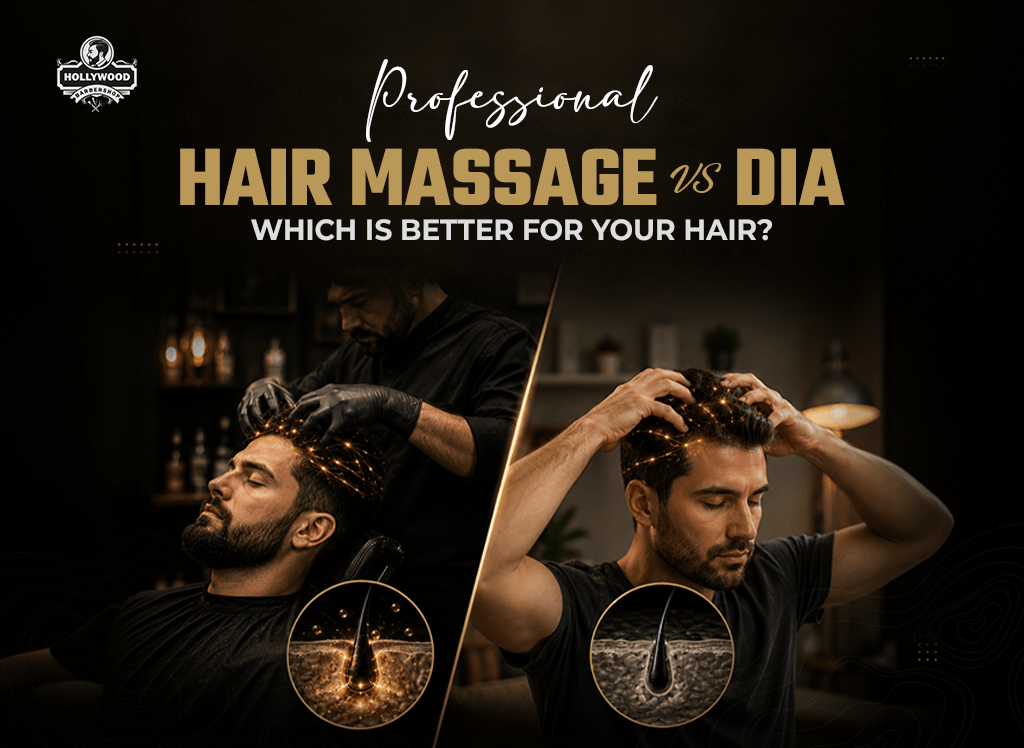
Adding a hair massage to your routine is simple. It only takes a few minutes. Gentle scalp massage helps you relax. It also improves scalp comfort. And it supports healthier-looking hair.
Regular massage may boost scalp circulation. It helps distribute natural oils. It can reduce tension too. You can use your fingertips. Or you can use a scalp massage brush at home.
The Best Hair Massage Techniques make it easy. You can add scalp massage to your daily routine.
In this guide, you will learn:
- Key benefits of hair massage.
- How to prepare your scalp.
- The best at-home techniques.
- Oils for different hair types.
- Common mistakes and helpful tips.
Why Hair Massage Is Good for Your Hair and Scalp
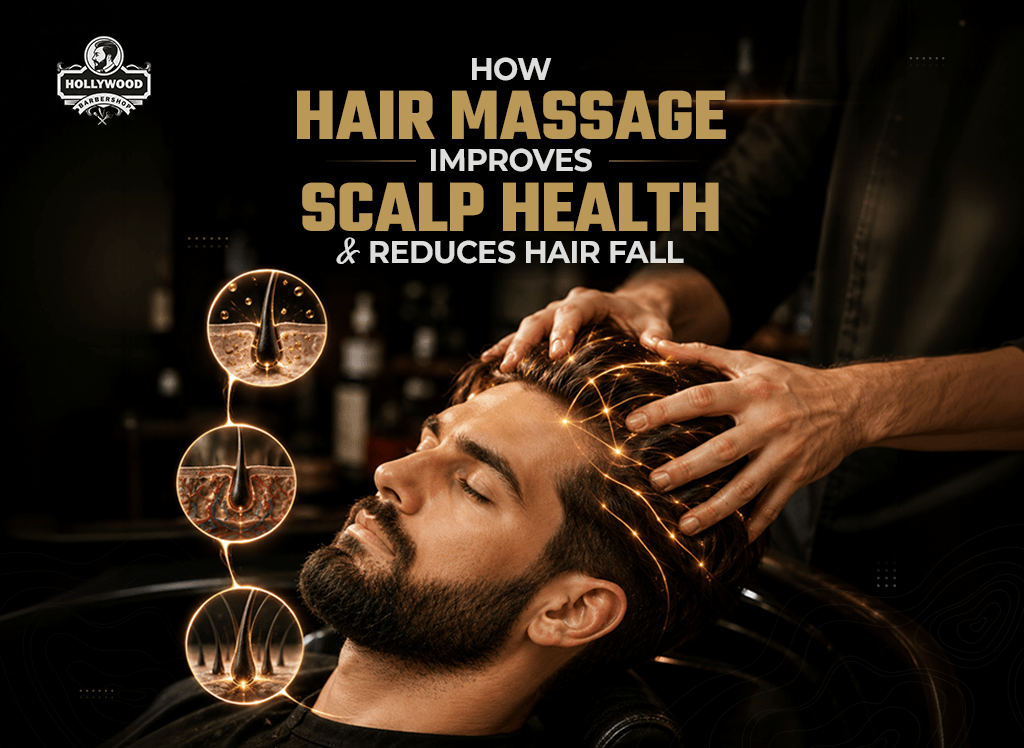
Hair massage does more than help you relax. Doing it the right way makes a difference. When you do it often, it supports a healthier scalp. A healthy scalp can improve how your hair looks and feels.
Stimulates Blood Circulation
Massaging your scalp gets more blood to your hair follicles. More blood brings more oxygen. It also brings key nutrients to the roots. This can make hair stronger. It may also help hair grow.
Relieves Scalp Tension
Your scalp holds a lot of tension. Stress in your jaw or neck adds to it. Shoulder stress does too. A gentle scalp massage helps release this tightness. It can reduce tension headaches. It also helps you feel calm.
Supports a Healthy Scalp
Massage spreads natural oils on your scalp. These oils are called sebum. They move evenly along the hair shaft. This keeps hair moist and cuts down on dryness. Massage also loosens dead skin. It removes product buildup too. Your scalp stays clean and balanced.
Enhances Your Hair Care Routine
Try a scalp massage before or after washing. It helps your shampoo work better. Conditioners and treatments work better too. Massage gets your scalp ready. It helps products absorb more. Your hair feels softer and easier to manage.
Things to Do Before You Start
Proper preparation can make your hair massage more comfortable, relaxing, and effective. Follow these simple steps before you begin.
Wash Your Hands
Always wash your hands with soap and water. Do this before you touch your scalp. Clean hands remove dirt. They remove excess oil too. They also remove bacteria. Dirty hands can irritate your scalp.
Detangle Your Hair
Gently remove any knots before starting. Use a wide-tooth comb or flexible brush, beginning at the ends and slowly working toward the roots. This helps prevent unnecessary pulling and hair breakage.
Choose Hair Oil or Dry Massage
Decide if you want an oil massage or a dry one. Hair oils reduce friction. They also add moisture. Dry massage is quick and easy. Pick an oil that fits your hair and scalp needs.
Create a Relaxing Environment
Pick a quiet and comfortable spot. Find a place without distractions. Keep your neck and shoulders relaxed. Move slowly and gently during the massage. Do not rush. The goal is to relax while you care for your scalp.
Best Hair Massage Techniques to Try at Home
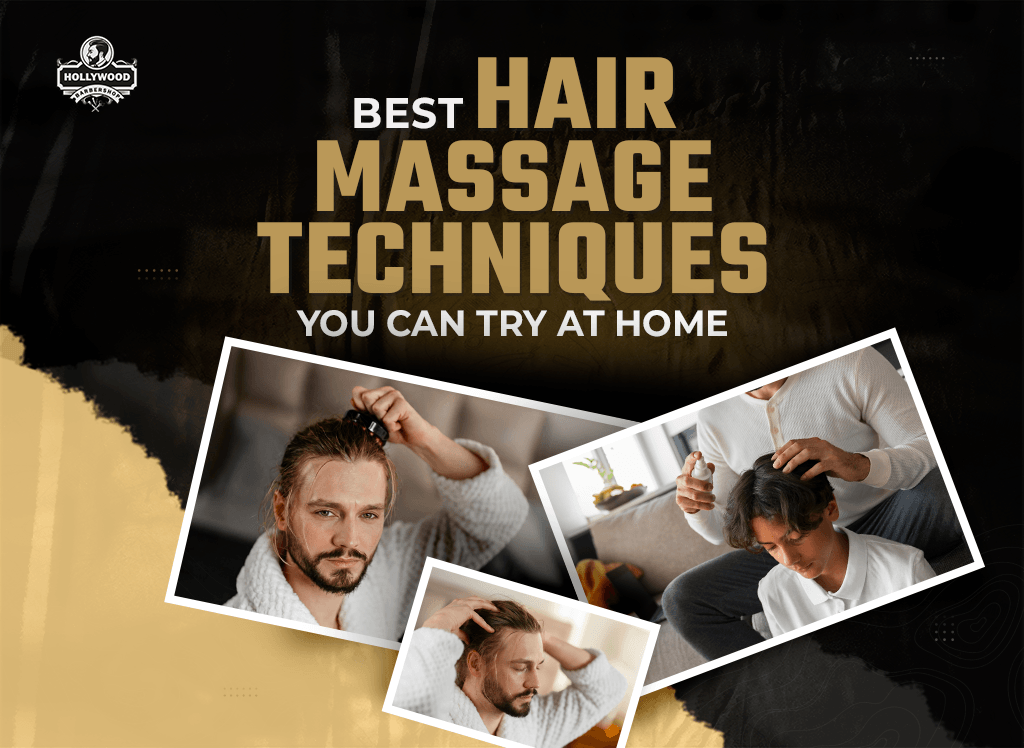
Best Hair Massage Techniques You Can Try at Home. Try circular fingertip massage. Try gentle kneading. Try warm oil massage. These can give you healthier-looking hair.
Fingertip Circular Massage
- Step-by-step technique: Use the pads of your fingers. Do not use your nails. Make small, firm circles across your scalp. Start at your hairline. Work your way back to your neck. Move in sections. Spend extra time on tight areas.
- Ideal duration: 5–10 minutes per session, 2–4 times per week.
- Benefits for everyday scalp care: This technique boosts blood flow. It loosens dead skin cells. It helps spread natural oils. It is the simplest way to keep your scalp healthy. It works very well too.
Gentle Pressure Massage
- Applying light pressure across the scalp: Place your palms flat on each side of your head. Press gently inward. Hold for a few seconds. Then release. Move your hands to different spots. Repeat. You can also use your fingertips. Apply steady, gentle pressure on certain points.
- Best for relieving tension: This technique eases stress headaches. It releases tight muscles. It works well at the temples. It works well at the crown. It also works at the base of your skull.
Warm Oil Hair Massage
- How to warm the oil safely: Pour a small amount of oil (coconut, argan, almond, or jojoba) into a bowl. Place the bowl in warm water for a few minutes. Do not microwave or overheat. Test the oil on your wrist before applying to ensure it is comfortably warm.
- Proper application technique: Section your hair. Apply the oil to your scalp with your fingertips. Massage in circular motions for 5 to 10 minutes. Leave the oil on for at least 30 minutes. You can leave it overnight. Then wash with a gentle shampoo.
- Best oils to use: Coconut oil penetrates deeply. Argan oil moisturizes and is not greasy. Castor oil is thick and helps growth. Mix it with a lighter oil. Almond oil is lightweight. It works for all hair types. Rosemary oil should be diluted with a carrier oil. It is linked to hair growth.
Scalp Kneading Technique
- Mimics professional salon massages: Use your fingertips. Gently lift and knead small sections of your scalp. Move as if you were working dough. Go slowly across your whole scalp. Focus on areas that feel tense.
- Helps relax tight scalp muscles: This technique releases deep tension. It improves circulation. It helps people who carry stress in their jaw. It also helps those with neck or scalp tension.
Hairline and Temple Massage
- Focus on commonly tense areas: Use your fingertips. Make small, circular motions along your hairline. Do this at your temples. Do it behind your ears too. These areas often hold a lot of tension.
- Promotes relaxation and comfort: This technique is quick. It reduces headaches. It calms your mind. You can do it anywhere. You can do it anytime.
Full‑Scalp Stretch Massage
- Gentle scalp movement without pulling hair: Place your palms flat on each side of your head. Gently push your scalp up toward the crown. Hold for a few seconds. Then release. Repeat in different directions.
- Supports scalp flexibility: This technique improves blood flow. It keeps scalp tissue loose and healthy. It helps hair follicles work better.
Using a Scalp Massage Brush
- How silicone scalp brushes work: Silicone brushes have soft, flexible bristles. They copy fingertip massage. They are gentle on your scalp. They remove buildup well too.
- Tips for safe and effective use: Use the brush on dry or wet hair with small, circular motions. Do not press too hard; let the bristles do the work. Use 2–3 times per week for a deep, relaxing cleanse. Clean the brush regularly with soap and water.
Best Hair Oils for Home Hair Massage
Pick oils like coconut, argan, jojoba, castor, or rosemary-infused oil. They nourish your scalp. They strengthen your hair. They also make your massage work better.
Coconut Oil
Coconut oil is ideal for dry or damaged hair. Rich in lauric acid, it can penetrate the hair shaft and help reduce protein loss. It also provides moisture and helps keep hair feeling stronger and healthier.
Rosemary Oil (Diluted)
People often use rosemary oil for scalp care. They also use it for hair thinning. Some studies show it may boost hair growth. Always dilute rosemary oil first. Mix it with a carrier oil like coconut or jojoba. Then apply it to your scalp.
Argan Oil
Argan oil is rich in antioxidants and vitamin E. It helps moisturize the scalp, add shine, and reduce frizz. Its lightweight texture makes it a good option for fine or dry hair.
Jojoba Oil
Jojoba oil is lightweight. It is very close to your scalp’s natural oils. It keeps moisture in without feeling greasy. It works for most hair types.
Sweet Almond Oil
Sweet almond oil is a lightweight, nourishing option for regular scalp massage. It can help moisturize dry hair and scalp while adding softness and shine.
Hair Massage Techniques for Different Hair Types
Your hair type changes how you massage your scalp. Adjust your technique. This boosts comfort. It cuts down on breakage. It also supports a healthy scalp.
Straight Hair
Use light, sweeping motions with your fingertips, focusing mainly on the scalp. Lightweight oils such as jojoba or grapeseed work well. Massage for 3–5 minutes, 2–3 times a week.
Curly Hair
Use gentle circular motions with your fingertips to avoid tangling. Coconut or argan oil can help add moisture and reduce dryness. Massage for 5–7 minutes, 3–4 times a week, taking care not to pull on the curls.
Thick Hair
Divide your hair into 4–6 sections so you can reach the scalp easily. Use firm but comfortable pressure with your fingertips or a scalp massager. Massage for 5–10 minutes, 2–3 times a week.
Fine Hair
Fine hair can be delicate, so use very light pressure and small circular movements. Avoid vigorous rubbing or pulling. Lightweight oils such as argan or almond oil are good options. Massage for 3–5 minutes, 2–3 times a week.
Dry or Damaged Hair
Focus on gentle, slow movements and use a moisturizing oil such as coconut or argan oil. Massage for 5–7 minutes, 2–3 times a week, then wash according to your normal routine.
Oily Scalp
Use gentle, slow movements rather than vigorous rubbing. You can massage without oil or use a lightweight option such as jojoba oil. Massage for 3–5 minutes, 1–2 times a week to avoid unnecessary irritation.
Common Hair Massage Mistakes to Avoid
Avoiding these common mistakes protects your scalp. It also helps you get the most from every hair massage session.
- Scratching the Scalp with Fingernails: Always use your fingertips. Do not use your nails. Nails can cause cuts, irritation, and damage to your scalp.
- Using Excessive Force: Pressing too hard won’t give better results. It may cause soreness. It can also lead to unnecessary hair breakage. Gentle pressure works best.
- Applying Too Much Oil: Excess oil can weigh hair down, clog pores, and require extra shampooing. Use only enough to lightly coat the scalp.
- Massaging Irritated or Injured Skin: Do not massage if you have open wounds, infections, severe dandruff, sunburn, or an inflamed scalp. Wait until your scalp has healed completely.
- Being Inconsistent with Your Routine: An occasional massage feels relaxing. But regular sessions are better. They provide the best long-term care for your scalp.
- Pulling or Tugging the Hair: Focus on moving your scalp. Do not pull the hair strands. This helps prevent breakage and damage.
- Massaging Wet Hair Too Aggressively: Wet hair is fragile. Be extra gentle with it. Avoid vigorous rubbing, especially right after washing.
How Often Should You Massage Your Scalp?
For most people, a few minutes of scalp massage 3–5 times a week is a simple routine. You can adjust the frequency based on your scalp’s comfort and sensitivity.
Daily Massage
A gentle 3–5 minute dry massage helps you relax. It also relieves scalp tension. Use your fingertips. Make slow, circular movements. Do not pull or scratch your scalp.
Weekly Oil Massage
For added moisture, try an oil massage once a week. Apply a small amount of a suitable hair oil. Massage gently for 5–10 minutes. Leave it on for about 30 minutes before washing. If your scalp becomes irritated or too oily, reduce how often you do it.
Finding the Right Routine for Your Hair Type
- Oily scalp: Daily dry massage (2‑3 minutes) and a light oil massage once every two weeks.
- Dry scalp: Daily gentle massage and a weekly nourishing oil massage (coconut or argan).
- Fine or thin hair: Daily massage to stimulate follicles, with a light oil (argan or almond) once a week.
- Curly or coarse hair: Do a weekly deep oil massage. Coconut or castor oil adds moisture and manageability.
- Sensitive scalp: Start with 2‑3 times per week and adjust based on your scalp’s response.
Listen to your scalp. If you notice irritation, massage less often. If your hair feels dry, increase oil treatments. The goal is a simple routine. It should leave your scalp feeling relaxed. It should make your hair look healthy. It should also help lower your stress.
Extra Tips for Healthier Hair
Healthy hair depends on more than scalp massage. These simple daily habits can strengthen your hair and support long-term scalp health.
- Eat a Balanced, Nutrient-Rich Diet: our hair needs food. Include protein, iron, and zinc. Add omega-3s and vitamins. These nutrients support normal hair growth. They help build stronger strands.
- Stay Hydrated: Drinking enough water helps maintain scalp hydration. It also supports healthy-looking hair from root to tip.
- Reduce Stress: Practice meditation, exercise, or deep breathing. Regular scalp massages also help manage stress. Less stress means less hair shedding.
- Avoid Excessive Heat Styling: Heat tools can damage hair. Limit blow dryers and curling irons. Use a heat protectant when you style. This helps reduce damage.
- Use Gentle, Sulfate-Free Hair Products: Choose mild shampoos. Pick nourishing conditioners. They cleanse without stripping natural oils from your scalp.
- Trim Split Ends Regularly: Trim your hair every six to eight weeks. This stops split ends from spreading. It keeps hair looking healthier.
- Protect Your Hair from Sun and Pollution: Wear a hat outdoors. Use UV-protective hair products. This helps when you spend extended time in the sun.
- Avoid Tight Hairstyles: Choose loose hairstyles. They reduce tension on your scalp. This helps minimize breakage. It also prevents traction-related damage.
When to See a Hair Care Professional
Scalp massage is good for your hair care routine. But it cannot treat medical conditions. You should see a dermatologist or qualified professional if you notice certain signs.
- Persistent or Excessive Hair Loss: Some shedding is normal. But hair loss that lasts for weeks is not. Noticeable thinning needs attention. A professional should evaluate it.
- Scalp Pain or Irritation: Pain that does not go away is a warning sign. So is burning, itching, or redness. These symptoms may point to a scalp condition. It likely needs treatment.
- Signs of Infection or Severe Dandruff: Watch for pus or swelling. Look out for sores or a foul odor. Persistent flakes are also a concern. Especially if they do not improve with regular care. A professional should examine these issues.
- Sudden Changes in Hair Density: Rapid thinning is a red flag. Bald patches are cause for concern. Unexpected changes in hair texture matter too. Growth patterns that shift suddenly may signal a medical issue. Prompt attention is important.
- No Improvement Despite Consistent Care: You follow proper hair care. You do regular massage. But your scalp health does not improve. Your hair condition stays the same after months. Seek expert advice. A professional can identify possible underlying causes.
Frequently Asked Questions (FAQ)
What is the Best Hair Massage Techniques for hair growth?
The fingertip circular massage is a top choice. It gently stimulates blood circulation. This supports overall scalp health. Consistency matters more than pressure. Gentle and regular is best.
Can I massage my scalp every day?
Yes, you can. Most people enjoy a daily scalp massage. Keep it gentle. Aim for 5 to 10 minutes. Stop if you feel discomfort or irritation.
Is it better to massage with oil or without oil?
Both work well. Dry massage is easy for daily use. Oil massage adds moisture and nourishment. It is ideal for weekly treatments.
How long should a hair massage last?
A typical session lasts between 5 and 15 minutes. Oil massages may be followed by leaving the oil on the scalp for 30–60 minutes before washing.
Which oil is best for scalp massage?
Popular oils include coconut, argan, and jojoba. Diluted rosemary oil is another good choice. Sweet almond oil works well too. The best option depends on your hair type. It also depends on your scalp needs.
Can scalp massage damage hair?
Not when done correctly. Use gentle pressure. Massage with your fingertips. Avoid using your nails. Do not pull or tug on the hair. This keeps your scalp safe.
Conclusion
Hair massage is simple and affordable. It cares for your scalp. It reduces tension. It supports healthier-looking hair. The Best Hair Massage Techniques You Can Try at Home include gentle circular movements. Kneading is another great option. Warm oil treatments also work well.
For the best results, massage gently. Stay consistent with your routine. Combine scalp massage with good nutrition. Drink enough water. Follow proper hair care habits. Maintain a healthy lifestyle too.
Want professional scalp care? Visit Hollywood Barbershop. They offer expert hair care services. They also provide relaxing scalp massage. Book your appointment today. Give your hair the care it deserves.