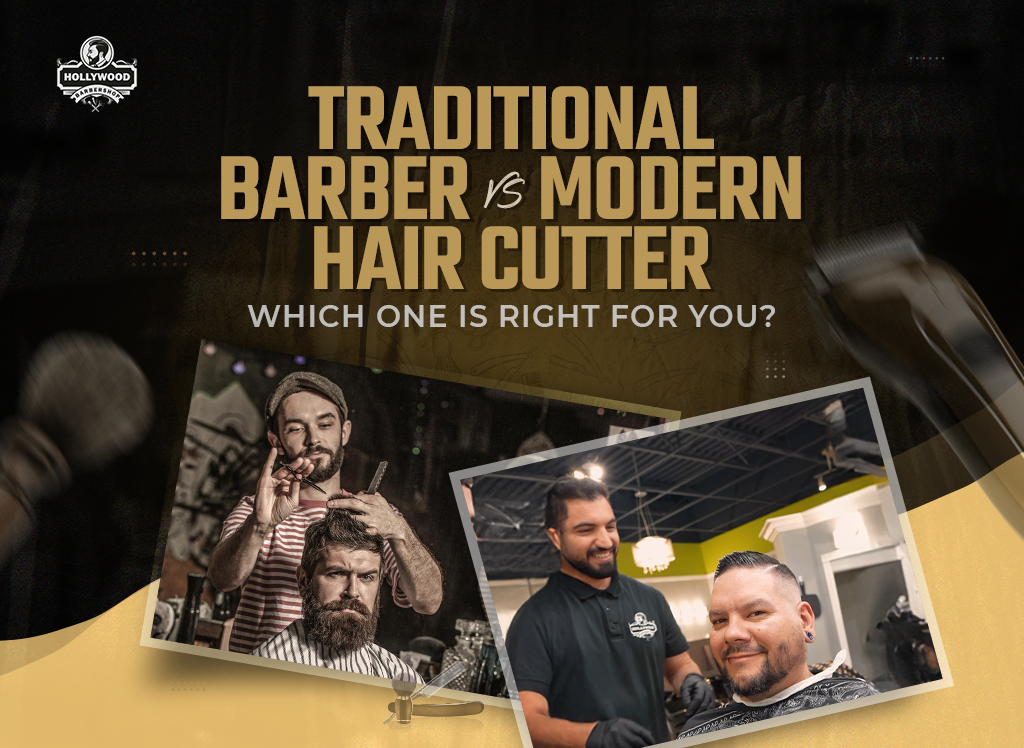
Choosing a haircut used to be easy. You walked into a local barbershop and sat down on a wooden chair. These days, men have many more options. It’s important to choose between traditional barbershops and modern haircuts. This choice shapes your personal image.
Your hair tells a story about your style and professional life. Grooming trends have shifted from basic maintenance to high-fashion statements. Old-school barbershops focused on community and utility. Newer salons prioritize speed, fashion, and technology. This evolution has changed the way men view self-care. This comparison helps you navigate these two different worlds. We consider the tools, environment, and unique skills each professional offers.
You’ll learn which environment best suits your hair type and lifestyle. Choosing the right professional will help you walk out feeling confident every time.
Who Is a Traditional Barber?
A traditional barber is involved in an industry that dates back centuries. Years ago, these professionals did more than just cut hair. They worked as surgeons and dentists in their local towns. Today, this role is focused solely on grooming, but the spirit of the old days remains. A traditional barber masters the art of men’s grooming through tradition and repetition. These shops serve as social hubs. Men gather there to talk about sports, local news, and life. The barber knows every regular by name.
– Brief History of Traditional Barbershops –
History shows that barbershops were once the center of every community. The iconic red, white, and blue pole symbolized a place of faith. In the early 20th century, the barbershop was a men-only abode. Men would come here weekly for a clean shave. At the time, the “gentleman” standard meant well-groomed facial hair and short, neat haircuts. For decades, the industry faced challenges due to the long hair trend of the 1970s. However, the traditional shop has survived by holding on to its roots. It has preserved the methods that modern salons often ignore. Now, we are seeing a massive revival of these classic venues. Men want the authenticity that their grandfathers enjoyed.
– Skills and Techniques Used –
A traditional barber’s skill relies on manual precision. They don’t hide behind fancy chemicals or heat styling. Instead, they use gravity and sharp steel to shape your look.
- Straight razor: This is the ultimate tool of the trade. A barber uses a single, sharp blade to create crisp lines. They use it to “line up” around your neck and ears. This tool provides a closeness that no electric motor can match.
- Scissors: Traditional barbers are experts at the scissor-over-comb technique. They use combs to lift and shear hair. This method allows them to create a custom shape that follows the natural curves of your scalp. It creates a softer, blended look than a harsh, mechanical one.
- Classic tools: You’ll find heavy metal clippers with cords. These tools have powerful motors to cut through thick hair without pulling. Barbers also use duster brushes to clean up clippings and talcum powder to soothe the skin. Each tool has a specific purpose and a long history.
– Typical Services Offered –
A traditional shop doesn’t try to do everything. They focus on doing a few things perfectly.
-
Beard Trims & Shaves
A straight-razor shave is the crown jewel of barbering. It starts with a hot towel preparation to soften the mustache. Barbers apply a thick lather using a badger-hair brush. They shave with the grain and then against it for complete smoothness. A classic beard trim follows the same logic. They use scissors to remove bulk and a razor to define the cheek line. The process feels more like a ritual than a chore.
-
Classic Men’s Haircuts
Traditional barbers are experts in crew cuts, taper fades, and side parts. They know how to taper the hair at the nape of the neck and grow it out cleanly. You won’t find any modern runway styles here. Instead, you’ll find timeless looks that are perfect for the office or a weekend outing. They prioritize structure and longevity.
– Atmosphere and Customer Experience –
The atmosphere of the traditional shop is unassuming. The smell of sandalwood, bay rum and talcum powder wafts through the air as you enter. Large, heavy leather chairs push against the floor. There is no loud pop music. Instead, you hear the buzz of clippers and endless conversations.
The experience is unhurried. The barbers take their time because they value the results of the hour-long cut. With each haircut, you shave a neck. Often, they finish with a quick shoulder massage using a vibrating device. This experience creates a bond between client and barber. You don’t just go for the haircut; you go for the tradition.
Who Is a Modern Hair Cutter?
A modern hairstylist represents a new trend in hair styling. These professionals often work in high-end salons or specialized hair studios. Traditional barbers value tradition, while modern stylists value current trends. They view hair as a canvas for creative expression. These experts stay up-to-date on global fashion week styles and celebrity looks. They don’t just follow a set routine. They focus on your face shape, clothing style, and lifestyle to recommend something new. This role bridges the gap between classic grooming and high-end fashion.
– Rise of Modern Salons and Hair Studios –
The reason men are turning to modern hair studios is that they are becoming more diverse. In the past, men had limited choices for their hair. As fashion has become more diverse, the demand for complex styles has increased. Modern salons have begun to fill this void. These spaces feel very different from the barbershops of old. You’ll often find bright lighting, minimal decor, and a wide range of retail products. The rise of social media has also fueled this growth. Clients now ask for specific, high-contrast looks by taking photos from their phones. Modern studios have adapted by training their staff in both barbering and cosmetology. This hybrid approach allows them to handle long hair, short hair, and everything in between.
– Use of Advanced Tools and Technology –
Modern hair clippers rely on the latest engineering to achieve perfection. They use tools that deliver speed, power, and extreme detail.
- Cordless clippers: You’ll rarely see cords tangled around your chair here. Modern pros use high-speed, lithium-ion clippers. These tools allow the cutter to move freely around your head. They often have adjustable levers that move in small increments for perfect blending.
- Precision trimmers: These small machines handle fine details. They are designed to cut very close to the skin so as not to irritate. Stylists use them to carve sharp lines or create “hair tattoos” and designs.
- Styling machines: This category includes professional-grade blow dryers, flat irons, and curling wands. Modern hair clippers use heat to change the direction of your hair. They can use a blow dryer and a ceramic brush to add volume that lasts all day.
– Services Offered –
Modern hair salons usually have a long menu. They offer a “complete look” rather than just a quick trim.
-
Trendy Hairstyles
Modern cutters are skilled at textured crops and messy fringes. They use thinning shears and razors to reduce weight and add “movement” to the hair. This makes the hair look effortless and stylish without too much product.
-
Fades, Undercuts, and Textured Cuts
If you want to lighten your skin tone, a modern haircut is a great choice. They specialize in undercuts, where the sides are very short and the top is long. They use different guard lengths to create a smooth transition from skin to hair. Textured cuts are also a specialty. They cut hair at an angle to create layers. This technique helps men with thin hair look more voluminous.
-
Hair Coloring and Styling
This is a big difference from traditional shops. Modern studios offer a full range of color services. This includes covering gray hair, adding highlights, and even going to darker colors like platinum blonde. They also offer deep conditioning treatments. If your hair is damaged by the sun or heat, they have chemical solutions to fix it.
-
Focus on Fashion and Personalization –
The key to the modern experience is personalization. A modern hairstylist spends the first five minutes of your appointment “consulting.” They ask what you like and dislike about your hair. They check the health and thickness of your hair. They can even use AR style previews or digital apps to show you what it will look like before you start cutting.
The focus is on the “now.” They know which products are currently best for your specific hair type. They might recommend a matte clay for a natural look or a high-shine pomade for a sharp finish. The goal is to make sure your hair suits your unique personality.
Key Differences: Traditional Barber vs Modern Hair Cutter
Knowing the differences between these two professionals can help you choose wisely. While both work with hair, their methods, mindsets, and results vary significantly.
– Training & Expertise –
A traditional barber usually attends barber school. Their education focuses specifically on the scalp, skin health, and facial hair. They spend hundreds of hours using straight razors and manual clippers. Their expertise lies in creating short, masculine shapes.
A modern barber often has a background in cosmetology. Their training includes a wide range of hair lengths and chemical treatments. They understand how to work with long hair, use color, and apply heat styling. They focus on the overall silhouette and how the hair moves.
– Tools & Equipment –
The tool kit defines the craft. You can tell who’s cutting your hair just by looking at the station.
| Feature | Traditional Barber | Modern Hair Cutter |
| Primary Tool | Manual clippers & straight razors | Cordless clippers & thinning shears |
| Finishing | Talcum powder & bay rum | Sea salt spray & matte clays |
| Technology | Vintage metal tools | High-speed motors & blow dryers |
| Blade Type | Single-edge replaceable blades | Multi-blade cartridges or trimmers |
– Haircut Styles –
Traditional barbers specialize in “foundation” cuts. These are styles that have looked good for a century. Think crew cuts, tapered fades, and flat tops. They make these shapes permanent. Your hair will still look great three weeks after the cut.
Modern barbers go for “vibes.” They specialize in textured crops, undercuts, and disconnected pompadours. They use techniques like point-cutting to intentionally leave hair looking messy. These styles often require more daily maintenance and styling products to look right.
– Beard Grooming Skills –
This is where traditional barbers usually win. They offer a full, straight-razor shave with a hot towel. They know how to map the direction of hair growth on your neck so that it doesn’t grow back. Their classic beard trim focuses on sharp lines and a masculine jawline.
A modern barber often uses an electric razor trim. They put more emphasis on styling your beard with a machine that matches your head of hair. They may use oils and balms to soften the hair, but they rarely use a manual blade for the entire process.
– Customer Experience –
The “emotion” of the shop changes your mood. A traditional shop is a place to hang out. It’s a social club where you can get a coffee or a drink. The chairs are heavy, and the pace is steady. It feels like a break from the fast-paced world.
A modern studio feels like a premium service. It’s often clean, bright, and more person-centered. You might get a scalp treatment or facial as part of a package. The emphasis is on luxury and modern comfort.
– Pricing & Time Spent –
Traditional barbers often offer better value for a quick, high-quality cut. A standard appointment can last 20 to 30 minutes. You pay for consistent, reliable results every time.
Modern barbers charge more for their time and specialized knowledge. An appointment can last from 45 minutes to an hour. This extra time is spent on consultation, wash, cut, and final styling lessons. You pay for the artistic vision and custom finish.
Pros and Cons of Traditional Barbers
There are some benefits to choosing a traditional barber that many men find valuable. However, this choice also comes with some limitations, depending on your style goals.
– Pros –
- Classic cut and beard grooming experts: These professionals dedicate their lives to perfecting a few key styles. Whether you want a perfect taper or a clean side part, a traditional barber is the master. They understand the “science” of men’s hairlines better than anyone else. Their ability to give a straight-razor shave is still a major reason to visit. You’ll get an intimacy and skin care that machines can’t replicate.
- Relaxed, community-focused atmosphere: The shop acts as a haven. You can sit down, put your phone away, and talk to the people around you. There’s no pressure to rush. The atmosphere feels authentic because it’s built on years of local history. You become more than just a customer, you become a friend.
- Affordable: Typically, a traditional shop offers more affordable prices. You’ll get a great haircut that’s durable and high-quality, but also at a price that’s beyond salon prices. Since it focuses on expertise and classic techniques, you’ll get great value for your money.
– Cons –
- Limited modern or trendy styles: A traditional barber might struggle with complicated, long-layered haircuts or bold color changes if you show them a picture. Their training is within the confines of classic masculine shapes. They may not know the latest “fashion week” techniques for adding extreme texture.
- Less use of advanced equipment: These shops pride themselves on old-school equipment. You may miss out on modern amenities like ergonomic hair washing stations and high-tech scalp treatments. If you enjoy specialized machines or digital consultations, a traditional shop may feel outdated.
Pros and Cons of Modern Hair Cutters
Modern haircuts bring a new energy to the world of grooming. They combine technical expertise with a deep understanding of current fashion. While this is great for stylish men, there are some downsides to think about before you book your seat.
– Pros –
- Up-to-date style and fashion trends: These professionals live and breathe the latest looks. If you want a style that is popular on social media or seen on a celebrity, a modern haircut is your best bet. They know how to execute textured crops or skin fades with artistic flair. They stay up-to-date on the latest “movements” in hair fashion. This ensures that your look never looks dull or out of touch.
- Advanced equipment and styling options: A modern studio uses the best technology available. You will love the cordless clippers for precise blending. Also, high-quality blow dryers add volume. They also offer specialized treatments. These include scalp treatments, hair loss solutions, and professional facials. These tools help them achieve intricate textures that manual tools can’t easily achieve.
- Suitable for all genders and hair types: Modern studios are inclusive spaces. These stylists are trained in cosmetology. They know how to handle long hair, curly hair, and chemically treated hair. They can handle any texture or length. This makes them a great choice if you want to grow out your hair or want a more “gender-neutral” style.
– Cons –
- High cost: With quality and modern amenities comes a price. You’ll typically pay more at a modern hair studio than at your local barbershop. The cost includes the stylist’s training, high-quality products, and long appointment times. If you’re on a tight budget, these visits can get expensive over time.
- May lack expertise: Traditional shaving techniques. While they’re great at cutting hair, many modern barbers aren’t experts in facial hair. You may not get a straight-razor shave or hot towel prep at these shops. They often rely on electric razor trims or machines to style the beard. If you want that classic, smooth razor finish on your neck or face, a modern salon may ask you for more.
Which One Should You Choose?
Choosing between a traditional barber and a modern haircut is a matter of personal preference. There is no wrong answer, but one will likely fit your routine better than the other. Use these categories to find your perfect match.
– Based on Haircut Preference –
Think about what shape you want. If you prefer a look that stays the same month after month, go to a traditional barber. They specialize in the “standard” male silhouette. If you want a tapered fade or a crew cut, they will give you a sleek, masculine result. Their work depends on the structure.
On the other hand, if you want to experiment, opt for a modern haircut. If you prefer a textured crop, skin fade, or undercut, these stylists have the tools for the job. They understand how to add “dirty” texture that still looks professional. If you have long hair or want to change your hair color, a modern studio is the only way to go.
– Based on Beard Grooming Needs –
Your facial hair is an important consideration. A traditional barber is the undisputed king when it comes to beard trimming and beard grooming. If you have thick facial hair and want a straight-razor shave, book a barber. They use a hot towel prep to ensure a comfortable experience and smooth skin. They are best for a classic beard trim that follows your jawline perfectly.
If you just need a quick clean-up with an electric razor trim, a modern barber can handle it. They often emphasize beard grooming with a machine, not a manual blade job. If you have sensitive skin and need a razor, stick with tradition.
– Based on Lifestyle and Budget –
Think about your wallet and your watch. Traditional barbershops offer men a great haircut at an affordable price. You can usually be in and out in less than thirty minutes. It’s a practical choice for the busy man who values consistency.
Modern studios are made for men who view grooming as a luxury. You’ll pay more, but you’ll get more time. You’ll get a scalp massage, a thorough wash, and a lesson in how to style your hair at home. If you prefer a scalp treatment or facial, it’s worth the extra expense.
– Special Cases –
Some occasions require a certain touch.
- Wedding: A traditional barber is perfect for the groom. They can enjoy a classic, clean look and a comfortable morning shave.
- Professional Look: In a strict corporate office, a traditional barber gives you a nice, “gentlemanly” look. This style is always appropriate and never boring.
- Fashion Shoot: If you are a model or influencer, a modern barber is essential. They know how to style hair so that it looks good in the camera light and fits the latest trends.
Blended Approach: The New Generation Barber
The line between traditional barbering and modern haircuts is beginning to blur. A new wave of grooming has arrived. We call these professionals “hybrid” barbers. These experts understand that men want the best of both worlds. They don’t want to choose between a classic shave and a trendy hairstyle. Instead, they want a place where every technique can be mastered. This new generation of barbers respects the history of the industry. They also embrace speed and style for the future.
In these hybrid shops, you can find a vintage leather chair next to a high-tech hair washing station. Barbers may start with manual clippers for most cuts. Then, they finish the top section using modern texturizing scissors. They know the scissor-over-comb method for a great shape. They also use cordless clippers for smooth skin fades. This mix allows for a custom experience. Get a sharp, modern undercut. Enjoy a comfortable straight-razor shave with a hot towel prep.
Hybrid grooming services are gaining popularity. Men today are more knowledgeable about hair care than ever before. Social media shows us a variety of styles, and we want a professional who can keep up. These barbers offer more than just cuts; they provide a complete solution. They can offer scalp treatments for thinning hair. At the same time, you can get a classic beard trim. They use modern pomades and sea salt spray to finish a look that started with a traditional razor. This approach honors the past but looks to the future. It takes the pressure off of choosing. You’ll get the community feel of a local shop with the fashion-forward results of a premium studio. This evolution keeps barbering relevant for future generations of men.
Final Verdict
Choosing a traditional barber or a modern barber reflects your personality. The traditional shop offers a timeless experience. It focuses on tradition, manual tools, and the art of the perfect shave. It is a choice for classic shapes and a sense of community. The modern hair studio prioritizes the “now.” It uses advanced technology and chemical treatments to deliver trendy, high-fashion results.
There is no “one-size-fits-all” solution when it comes to grooming. Your hair type, your career, and your daily routine will dictate your choice. Some men prefer the quick, reliable service of a local barber. Others want the luxurious and creative styling found at a modern salon. Both professionals play an important role in men’s self-care.
The best choice is simply the one that makes you feel like yourself. Take the time to try both environments. You will find the right professional who understands your vision and will help you look sharp.
Frequently Asked Questions
-
What is the main difference between a barber and a hair stylist?
A barber specializes in short, classic haircuts. They may also style facial hair with tools like a straight razor. A hair stylist or modern hair stylist often works with long hair. They use more heat tools and provide chemical services like coloring.
-
Should I go to a traditional barber for a skin fade?
Yes, many traditional barbers specialize in fades. For trendy looks, such as a textured crop with a fade, a modern hair stylist may have more experience with that style.
-
Which professional is better for beard styling?
A traditional barber is usually the best choice for beards. They focus on straight-razor shaves and classic beard trims. Their work emphasizes masculine facial features.
-
Is a modern hair studio more expensive than a barbershop?
Generally, yes. Modern studios often charge more. They offer long appointments and use high-quality products. They also offer specialty treatments, such as scalp care and facials.
-
Can a traditional barber cut long hair?
Most traditional barbers prefer to work with short to medium-length hair. If your hair is longer than your shoulders or you want layered hair, a modern haircut is a good choice.
-
What is a hot towel prep?
This is a service where a barber places a steaming towel on your face before shaving. This opens up your pores and softens the hair. This makes a straight-razor shave smoother and more comfortable for your skin.