
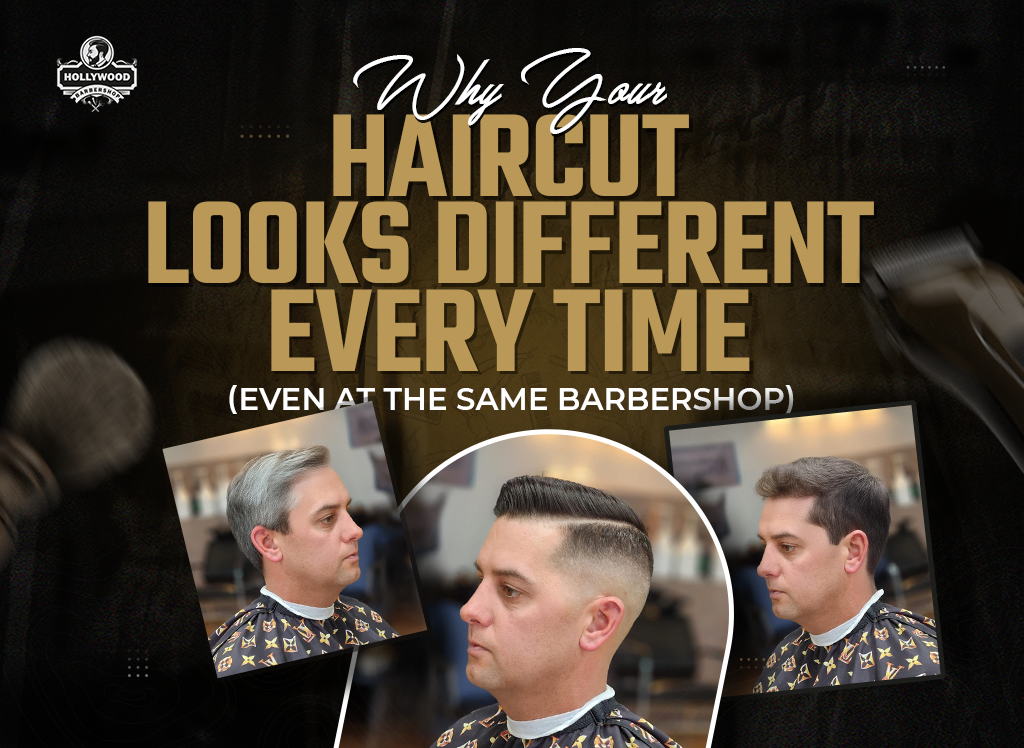
Many people walk out of the barbershop feeling confused. You sit with the same barber. You ask for the same style. Still, the result changes. This is called haircut inconsistency frustration. You start feeling haircut anxiety and wonder, “Will I get the same cut this time?”
This is not just your problem. Inconsistent haircuts are common, even with your regular stylist. It feels like a barbershop lottery. One visit looks great. The next feels off. The same barber, different results. This uncertainty leads to a crapshoot haircut experience for many.
So, why does my haircut vary? There are many reasons. Your hair changes every week. Sometimes it is longer or thicker. Humidity, dryness, or weather can make a difference. Your barber also faces common barber mistakes. A barber gives a different haircut each time because many things affect the process.
Other factors include barber performance variables and unpredictable shop environments. The tools your barber uses might change. Poor tool maintenance and tired clippers can lower the quality. Even shop lighting or a noisy environment can change results.
You are not alone in these worries. Even a good barber can have off days, leading to unreliable barber results. Barber communication breakdown also makes things unclear. Tiny details, like guard numbers or fade heights, may get lost. The hidden factors in haircuts add up.
This guide will help you understand factors affecting haircut quality. We cover reasons for bad haircuts, what causes haircut inconsistency, and ways to get a steady style. By learning the anatomy of an inconsistent cut, you can avoid surprises and get the result you want every visit.
Communication Gaps Between You and the Barber
Many haircut problems start with vague haircut instructions. You may say what you want, but your words can mean different things to your barber. This often leads to miscommunication with barber and unexpected results.
Take the phrase “just a trim.” It sounds clear, but what does “a trim” mean to a barber? For you, it might mean a small cut. For your barber, it could mean removing all split ends. Sometimes, this means losing more length than you expect.
The same issue comes with the “short on the sides” meaning. When you say “short,” your barber may think one thing, while you expect another. Does “short” mean skin? Or a number two guard? Or is it just neat and tidy? Without clear details, you end up with ambiguous hairstyle requests and unclear haircut directions.
Photos Make a Difference
Words can fail in the barbershop. A haircut photo reference is the best way to get what you want. Why to bring a picture to the barber is simple—it shows the exact cut, length, and texture you expect. Show visual aids for haircuts from different sides if you can. Using phone photos for haircuts gives your barber a clear guide. This is often better than trying to explain.
Different Barbers, Different Views
Barbers learn in different ways. Even with a photo, barber interpretation of styles can change the result. Your “texture” might not match your barber’s idea. This is why two barbers can make the same haircut look different.
There is a gap in stylist vs client understanding. You see a style. Your barber thinks of bone structure and hair type. Different barber techniques and even regional style differences can lead to big changes. For example, a “fade” at one shop may not look the same as a “fade” at another.
To avoid confusion, always move from vague to specific instructions. Tell your barber the guard number you want. Show a picture for the style. Give clear details. This helps everyone get the right result and avoids the “barbershop lottery.
Your Hair Changes Over Time
Hair is not static. Each week, it can feel and look different. These hair changes over time make it tough to get the exact same haircut at every visit. You might leave the shop with a style you love, only to find it looks strange a month later. This happens because your hair is always changing.
Hair density variations are common. Some days, your hair feels thick and full. Other times, it seems thin or flat. You may notice hair texture changes as well. Some weeks, your hair is soft. Other times, it feels rough or brittle. This explains those moments when you wonder, “why my hair feels different.” The truth is, biological variables in haircuts play a big role.
Seasonal Effects on Hair
Weather changes impact your hair. Summer brings humidity. This can cause frizz and extra volume. A cut that looks neat in spring might look too puffy in July. These are normal seasonal hair changes. The humidity effect on hair is real.
In winter, the air is dry. Dry air and hair volume often mean flat hair. Some people also see more winter hair shedding. These shifts mean a style that works one season may look off in another. So, accounting for the seasons is important when picking a haircut.
Every Head Has a Unique Growth Map
Your hair growth patterns are unique. Hair does not grow at the same speed all over. Uneven hair growth makes some spots longer or thicker than others. This can shape how your haircut grows out.
Some people have cowlicks. Cowlick growth patterns might cause some pieces to stick up or out. Over time, you may also see hairline changes or even shifts in where your part naturally sits. All these factors combine to make your hair a challenge to cut the same way every time. A good barber looks at your hair’s unique map and works with it, not against it.
Barber Technique and Human Variability
Barbers use skill and experience, but they are not machines. All people have small differences in how they work each day. This leads to many barber technique variations. Even the best barber will never give you the exact same haircut every single time. Tiny changes in hand movement or angle can lead to human error in haircuts. These are not mistakes, just normal shifts that happen with every cut. So, you often get inconsistent barber performance.
No barber can be perfect with every cut. A small change in how they use their scissors or clippers makes a difference. Subtle shifts in scissor work and hand steadiness and haircuts are part of the job. Day-to-day skill fluctuation is natural. That’s why a cut might look a little different, even from the same barber.
Tools and Their Impact
Tools also make a big difference in your final look. Barber tool consistency matters. If a barber gets new clippers or uses a different guard, your haircut will change. There are clear clipper guard differences depending on the brand. Some guards cut hair longer or shorter, even with the same number. These brand variations in clipper guards can change the fade or taper. That’s another reason for scissors vs clipper results. Each tool has its own effect on texture and finish. Good tool maintenance and haircut quality go together. Dull blades tug hair and lower quality.
Fatigue and Time Pressure
Barbershop timing matters too. In a busy Saturday barbershop, the barber works faster to help more people. This creates more time pressure on barbers. When barbers are in a rush, they have less time to focus on the details. Barber fatigue effects also show up. If your barber has given ten haircuts already, their hands get tired. This tired hands problem lowers precision. The last customer of the day may notice that rushed haircuts quality is not the same. When speed is the focus, not perfection, cuts can look different from what you expect.
Barber skill, tools, and timing all mix to affect your haircut. These small things add up and explain why you may get a different result with every visit.
The Role of Your Styling Routine
How you style your hair matters as much as the cut. Most people do not style their hair the same way every day. One morning you may have extra time, while the next may be a rushed effort. Small changes in your routine can lead to inconsistent hair styling.
Trying to get your hair to look just like it did in the barber’s chair is hard. Barbers use both skill and time. At home, you use different hands, different tools, and sometimes only a few minutes. These simple changes lead to styling technique variations. Everyday life means you are not always able to repeat the same style. This is why your hair can look different from day to day.
Why Hair Products Make a Difference
The products you use shape the end result. Hair product consistency is important. Some people use a wax one day, a gel the next, or skip product completely. Your style changes with each product. Each option, such as pomade, wax, or clay, gives different results. Some hold your hair tight, while others allow it to move more freely. Changing products, even for one day, can change how your haircut sits and looks. If you run out of your usual product, your hair may not hold the same shape.
When Your Hair Settles
Your hair does not hold its form forever. A fresh haircut vs. next day always looks and feels a bit different. Right after your cut, everything is in perfect place. When you shower and restyle, the hair returns to its natural movement. This is hair settling after cut. Your hair needs time to adjust.
Many people find their hair looks better a day or two after a cut. That is normal. The strands relax, and your natural texture comes back. Try not to judge a haircut until you’ve washed and styled it yourself. Allow a short post-barbershop adjustment period. The true look often appears after 48 hours.
Shop Environment & Timing Factors
Many things in the shop can change how your haircut turns out. The time of day matters. The shop mood matters too. You need to pick the best time for haircut appointment if you want better results.
Think about morning vs evening haircut quality. Barbers are fresher and more focused early in the day. If you go for the first appointment of the day, your cut may be sharper. After a long day, barbers get tired. The last haircut slot quality can drop because their hands and eyes are not as steady.
Now consider when you visit. Weekends are busy. The weekend vs weekday haircut trend is real. On a packed Saturday, your barber might rush. A busy barbershop quality can slip, and you get rush hour haircut results. Barbers feel crowd pressure and may try to cut faster. This can miss the details. The Saturday barbershop experience is loud and hectic.
Midweek visits are often calmer. With fewer clients, your barber has time to focus. The midweek appointment benefits mean a quieter shop and more attention to your style.
Lighting in the barbershop matters a lot too. Good lights help your barber see better. Barbershop lighting importance is often overlooked. Shadows make it hard to spot small details. Poor lighting leads to uneven spots or missed lines. The visual precision in barbering gets better with bright, even light. How lighting affects haircuts shows in the final look. Natural light vs. artificial light is important. Natural light often shows true hair color and shape. Always pick a chair with good lighting if you can. Bright lights help your barber see the true lines and layers for a crisp, sharp finish.
How to Make Your Haircut Consistent Every Time
Getting a consistent haircut is possible if you follow a few simple steps. Many people deal with inconsistent results, but you can change that. Here’s how to make sure you get the style you want, every visit.
Use Photo References
Clear pictures help. Bring a haircut photo reference guide to your appointment. Choose images that show the style from the front, side, and back. Multiple reference photos for barber services always work better than just one. This helps your barber see exactly what you want and removes any guesswork.
Write Down the Details
Keep haircut notes for barber visits. After a cut you like, ask your barber what clipper guard numbers and fade height they used. Write down these details—the clipper guard numbers for fade, fade height and blend specifics—so you have a clear plan for next time. This becomes your own haircut formula and ensures a repeatable style.
Book Regular Appointments
Stick to a regular schedule. Getting your haircut every 2 to 4 weeks keeps your style on track. This is known as an optimal haircut schedule for most people. Regular barber appointment timing helps prevent your hair from growing out unevenly.
Use the Same Products
Consistency in styling matters too. Use consistent hair products that work for your hair. Try not to change brands or switch from pomade to gel unless you want a different look. This helps maintain your style each day.
Build Trust with Your Barber
Find a barber whose work you like and keep returning. Building barber relationship takes time but pays off. Share feedback during your cut. Be clear about what you want or if something feels off. The more your barber knows your preferences, the more likely you’ll get reliable results.
Follow these steps to take the guesswork out of your haircut. With visuals, clear notes, a set schedule, product consistency, and good communication, you can achieve a great look every time.
Frequently Asked Questions
1. Why does my haircut look different each time, even with the same barber?
Small changes in your hair’s length, texture, or even the tools your barber uses can cause inconsistent haircuts. The time of day and small shifts in how your barber cuts will also affect the results.
2. How can I avoid inconsistent haircuts?
Clear communication is key. Bring photos of the style you want. Tell your barber exactly which guard numbers or cut lengths you prefer. Try to book with the same barber and on a regular schedule.
3. Is it okay to show my barber a picture?
Yes, and barbers prefer it. A photo shows exactly what you want and makes your request clear.
4. What should I do if I don’t like my haircut?
Speak up before you leave the chair. Tell your barber what feels off. Small changes can often be fixed right away.
5. Why does my haircut look better a few days later?
Your hair needs time to settle after a cut. The first day, hair is styled and shaped. After washing, it falls into its natural pattern and can look more relaxed.
6. What’s the best way to ask for a haircut?
Be specific. Say things like, “Use a number 2 guard on the sides,” or “Trim half an inch on top.” Use photos whenever possible.
7. Does the time of day matter for my haircut?
Yes. Barbers often have the most energy and focus early in the day. Later, after many clients, they might be more tired.
8. How often should I get a haircut for the best results?
For short styles, every 3 to 4 weeks keeps things neat. Longer cuts can wait a bit longer between visits.
9. Do different hair products really change how my cut looks?
Yes. The type of product changes the hold and finish. Gel, wax, or pomade all make the same cut look different.
10. If my barber seems rushed, will it affect my haircut?
It can. When the shop is busy or a barber is tired, they may move faster and miss some details. Try booking during quiet times.
11. Why should I bring photos from the front, sides, and back?
One photo only shows one angle. Multiple photos help your barber understand the whole style and make sure every part matches.
12. Is it better to always see the same barber?
Yes. A regular barber learns your hair’s patterns and preferences. This can lead to more consistent haircut results.
Conclusion
Many people feel frustrated when their fresh haircut does not match the last one. But understanding the reasons behind this helps with achieving consistent haircuts. Many things affect your haircut. Your hair changes with the weather. Your barber can get tired. Tools can be different from one visit to the next. These are all normal variations in haircuts.
You do not have to settle for poor results. While you may not get the exact look every time, you can still have reliable barbershop results. Accepting small changes helps you with managing haircut expectations. Instead of wanting a perfect copy, choose a style that always makes you happy. This approach moves you from inconsistent to reliable cuts.
Your Final Checklist for Success
Use these final tips for getting the perfect haircut every visit. Treat them as your barber visit checklist.
- Bring Visuals: Always show photo examples. Pictures are a clear way to share what you want.
- Be Specific: Know your guard number and fade details.
- Time it Right: Book morning or midweek sessions. Your barber is more focused at these times.
- Stay Loyal: Building barber relationship matters. A regular barber learns your hair better.
These essential habits for good haircuts are your blueprint for barbershop success. They help you get what you expect from each visit. You are not just hoping for a good cut—you are making it happen. If you follow this summary for consistent hairstyles, you can avoid disappointment and feel more confident with your look.